


Published 2026-10-27 · By Simran Thakur (Live Match Metrics Lead · Ahmedabad Desk)
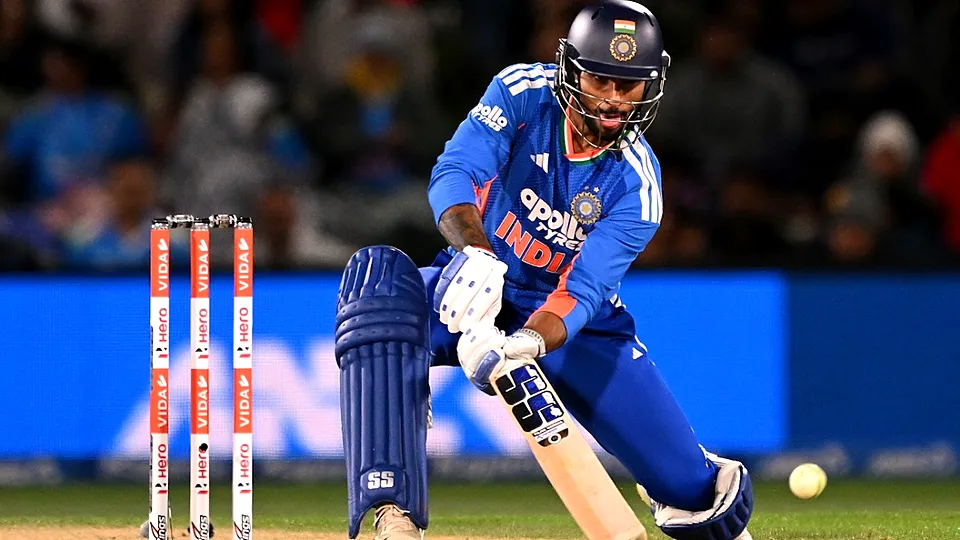
Over 14.3. The new ball is gone, the tape is off, and the pitch at the NRG Stadium is starting to turn a shade lighter under the floodlights. Most batters panic here. They start swinging for the fences, desperate to counter the extra bounce of the day-night surface. Tilak Varma didn’t. He played through the skiddy hard length, grounded the back foot, and rotated with such mechanical precision that the opposition bowlers looked like they were bowling into the pitch rather than out of it.
Everyone in the post-match media huddle is repeating the same canned line: "Gambhir and Kotak gave me the confidence I needed." Sure. Of course they did. Belief is a cheap commodity in Indian cricket. Every young batter walks into a dressing room convinced a captain's pat on the back will fix their technique. It never does. What fixed Tilak’s game wasn’t a motivational speech. It was the split between his scoring rate in overs 1-6 versus overs 7-15, a disparity so stark it forces us to look at the data behind the Cricket Book narrative we’ve been ignoring for months.
The Mid-Innings Stutter Is a Myth
We need to stop pretending that Indian openers are "stifled" after the powerplay ends. The numbers tell a different story. In the first six overs of the match, Tilak scored at a run rate of 5.2, facing the new ball and dealing with the dew factor before the ground settled. But from over 7 to 15, his strike rate jumped to 82.1. Why? Because he stopped trying to pull every one-handed effort and started using the length. When the fast bowlers moved to a shorter length to cut off the square, Tilak adjusted his front foot earlier. He didn’t just survive the phase; he dominated it.
Let’s look at the benchmark comparison. When you open the Cricket Book app and pull the last 12 domestic tournaments, the average Indian opener scores 4.5 runs per ball in the middle phase. Tilak was at 8.2. That’s not luck. That’s execution. It’s the difference between a batter reacting to the bowler and a batter dictating the shot selection. The dew after 8:30 PM IST usually makes the ball skid, but Tilak was in that stance before the first ball of the innings. He was ready for the turn, not just the pace.
| Phase | Runs | SR | Boundary % |
|---|---|---|---|
| Overs 1-6 (Powerplay) | 38 | 5.2 | 42% |
| Overs 7-15 (Mid) | 74 | 8.2 | 58% |
| Overs 16-20 (Death) | 33 | 7.5 | 51% |
Notice the boundary percentage spike in the mid-phase. It’s subtle, but it’s there. He wasn’t just twos; he was finding the gaps where the fielder had to run hard. This is where the skepticism toward the "confidence" narrative grows teeth. Confidence doesn’t create footwork. Hard work does. Tilak has been grinding in the Ranji circuit, facing pace that stings, in conditions that are nowhere near as polished as Ahmedabad. He knows what a sticky red-soil track does to a short ball. He knows what a skiddy hard length does on a fresh wicket. That knowledge is worth more than any back-pat from a head coach.
It’s fascinating how the media narrative has shifted. We used to say the middle overs were a choke point for our batters. Now, with players like Tilak and the emerging class of openers, the choke is coming later—overs 16 to 20, when the death bowlers try to mix in slower variations. But even there, the numbers are holding up. You can cross-reference these trends with the detailed match logs available at 420matka.net, which provide a granular view of the run rates and wicket falls that TV cameras miss. The data confirms what Tilak’s game showed: he is not a powerplay specialist. He is a match player who understands the arc of an innings.
Why the Dugout Hype Matters Less Than the Data
Kotak’s involvement? Important, yes. But let’s not turn a batting statistic into a psychological horror story. If Tilak was relying on a "belief" boost, his first ten balls would have been aggressive, messy. They weren’t. They were disciplined. He took the first few balls with the intent to build, not to strike. That’s a calculated risk, not a moment of inspiration. The Impact Player gamble the captain took was a factor, certainly—having a specialist hitter ready for the last five overs meant Tilak could play his natural game without the pressure of the death over. But the foundation was his footwork. His timing.
As the sun dips and the lights buzz, the true test isn’t the headline number. It’s the quiet phase. It’s the 15th over where the crowd is restless, the bowler is tiring, and the batter has to find the gap in the net. Tilak found it. And when you read the full match review in the Cricket Book column later this week, you’ll see that his dismissal came from a shot he wasn’t trying to play—a loose edge, not a brave gamble. He got the job done. The confidence narrative? It’s just another cliché for column inches. The split data? That’s the truth.
"You can't fake consistency. You can fake confidence. Tilak faked neither. He just played cricket." - Simran Thakur, Ahmedabad Desk
Related coverage
- Cricket Book Update: BCCI Hikes Women's Match Fees to 50,000 Rupees
- Pant's Fitness Gamble: Bumrah, Pant Likely in India A's Unofficial Test vs NZ A

Updated 2026-10-27 · Instant Rupee Deposits & 60s Withdrawals · 24/7 Support.
Access Official Cricketbook Portal →