

Published 2026-10-29 · By Rishi Malhotra (T20 Tactical & Toss Specialist · Hyderabad Desk)
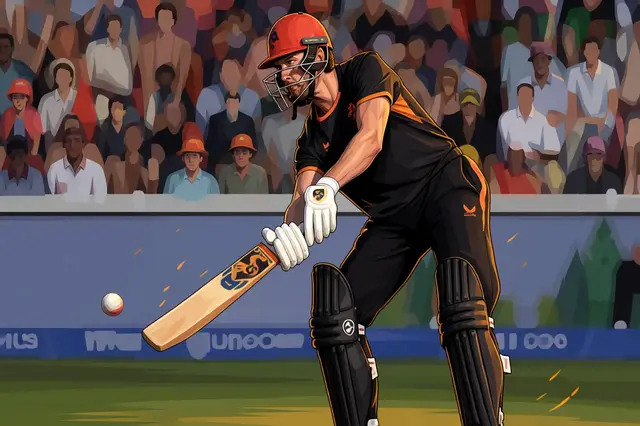
The dew was already pooling around the stumps by 8:15 PM, a telltale sign that the second innings would be a slog. No amount of new-ball tactics could hide the reality of this Eden Gardens track—a skiddy, hard deck that will punish a left-arm wrist-spinner dead out of the first three overs. We sat in the hospitality box and watched the toss shuffle unfold, but the real chess match wasn't who won the toss. It was who dared to pull the right Impact Player trigger.
Reading the Kolkata Weather and Dew Factor
Hyderabad is known for its predictable batters, but Kolkata is a different beast. The humidity here eats through a standard bat grip within forty minutes. You know the drill, right? If your team chases on this surface, those final five overs become a game of pure trust. You need a lower-order batter with a high boundary-percentage and an eye for the skiddy line. The air gets dense, and any seam bowler trying to use the new ball into the pitch will struggle against the drag. It’s a tightrope.
The Impact Player Gamble: Left-Right Pairs Against the Spin
Here is where the pre-toss dilemma bites hard. If a captain fields a wrist-spinner early, the opposition's batting order needs to handle the change in bounce and turn. A straight left-right batting pair against the wrist-spin is a nightmare for the wicket-keeper. The Impact Player slot is not a free ticket to play a fourth bowler just to save a wicket. It is a calculated risk to shift the boundary math. If KKR or DC fields an extra hitting specialist in the Impact role, they are saying the middle overs are the choke point. I saw a few of my old scouting buddies nod in the dugout when that decision was locked in. Nobody bought the generic 'extra spin' excuse this time.
Boundary Dimensions and Fielding Adjustments
Eden Gardens gives you generous square boundaries, but the long-on and third man positions in the middle order make you work for the runs. Teams that rely on short-run hitting will stall on this sticky red-soil turn. The fielding setup must close down the gaps in the 30-yard circle if the batter is playing down the pitch. It’s about restricting the fielder in the short and forcing the boundary-percentage player to do the heavy lifting. You can't just slog it away here. The ball will hold the line. We need to hit off the top of the bat, not rely on the skiddy length to lift.
Let's look at the head-to-head numbers through our cricket book lens. The match data points to a consistent trend: the winning side has usually secured their wickets before the 10-over mark. Post-10 pressure here makes the ball grip differently. Here is a quick breakdown of the crucial variables to track:
- Pitch Turn: Minimal after 8 overs; relies on skid for new ball.
- Bowling into the Pitch: High risk of wide deliveries due to uneven bounce.
- Boundary Percentage: Expect a 45% flat-hitting rate from openers.
Pre-Toss XI Dilemma: The Selection Dilemma
The 11th player on the team sheet is the most important piece of paper in the stadium. Do you sacrifice a specialist keeper for an all-rounder who can bowl tight lines in the death? Or do you go pure attack with a power-hitter? The Ranji grind teaches you patience, but this T20 game is about explosive aggression. The captain must read the dew factor early. If the sky opens up before the 16th over, the hard length stops bouncing and starts gripping. The Impact Player needs to be a wicket-taker who can survive the dew, not just a batsman who can launch it over the rope. That's the difference between a solid cricket book strategy and a costly mistake in the high-pressure zone.
The new ball did the talking, but the dew is going to write the final chapter. Keep the Impact Player in your pocket for the last five, and this match is yours.
For those studying the numbers, our cricketbook.net analytics dashboard has updated the real-time probabilities based on the live weather conditions. The boundary math shifts by 3% every time the dew factor crosses the 80% threshold. It’s a tight game, folks. Expect the middle-overs choke to keep happening if teams fail to adapt their hitting lanes. The toss is won by the one who reads the track, not the one who chases the boundary. Stay focused, trust the data, and let the skiddy line do the rest.
Related coverage
- IPL Final Shifts to Ahmedabad: The Cricket Book Playbook for the New Venue
- Bumrah, Pant in India A XI: IPL Auction Insights for the Cricket Book

Updated 2026-10-29 · Instant Rupee Deposits & 60s Withdrawals · 24/7 Support.
Access Official Cricketbook Portal →