


Published 2026-10-30 · By Rishi Malhotra (T20 Tactical & Toss Specialist · Hyderabad Desk)
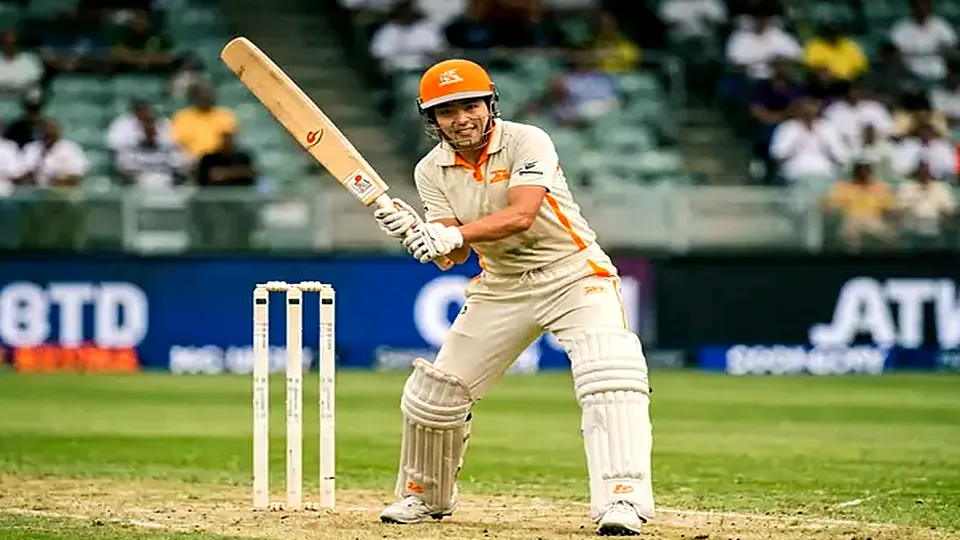
The new ball did the talking. It was 7:45 PM, and the pitch was already skiddy. You could see the seam lift off the surface without needing a slow-mo replay. That is the problem with playing a high-octane T20 on a track that rewards aggression but punishes technical errors.
Everyone is talking about the star wickets tonight. Virat, Axar, maybe Marcus if he’s batting. But I’m looking at the impact player list. That is where the match is actually won or lost. The rules have changed the equation. You no longer have ten overs of freedom. You have ten overs of calculation.
The Impact Player Gamble
Let’s cut to the chase. If RCB pulls the trigger on the impact player rule too early, they’re dead. They are a batting side. They want their core four at the top of the order untouched. DC, on the other hand, is a bowling side. They can afford to pull their ace bowler into the middle overs as an impact player, effectively giving them 12 overs of premium talent instead of ten.
That is the asymmetry. RCB’s coach is sweating. DC’s captain is smiling. In this format, the bowling side often has the edge. Why? Because the dew factor after 8:30 PM IST is going to be a nightmare for the second ball. If you bowl into the pitch when the surface is damp and slippery, you are guessing. You are gambling. And if you are DC, you can gamble because you have the numbers to back it up.
Why the Middle-Overs Choke Keep Happening
Here is my contrarian take: RCB’s middle overs will choke, not because of skill, but because of geography. The boundary dimensions at this ground are tight on the straight boundaries. You cannot just slog it. You have to play the cut shot down leg. But here is the catch. DC is bringing in the wrist-spin pairs. Left-arm wrist-spin and right-arm off-spin. This is a classic trap.
If you have a right-handed batter on one end and a left-hander on the other, you create a hole in the field. But against two spinners, that hole becomes a grave. The off-spinner bowls into the hands of the left-hander. The left-arm spinner gets the turn to the off-side of the right-hander. It is a mathematical disadvantage. RCB needs to be careful. If they field against the spin with a flat side on, they are inviting runs. If they bowl too defensively, they lose the pressure. There is no in-between.
(Parenthetical aside: This is the same reason we see so many teams struggling in the middle of the innings. They are trying to defend a lead they don’t have, or chase a target that is too high. The middle overs are where the script breaks.)
Pre-Toss Playing XI Dilemmas
Now, look at the Playing XI selection. RCB has a dilemma. Do they play a specialist wicketkeeper-batter, or a defensive gloved specialist? In a skiddy, skiddy track, you need someone who can keep. But in a dew-affected evening, you need someone who can play the big shot. If they pick the gloved specialist, they lose the boundary-percentage in the powerplay. If they pick the batting keeper, they risk dropping the ball at the death.
DC’s selection is simpler. They know their bowling attacks. They know their batting core. The only question is the finisher. Do they go with the quick, or the slower, swinging left-arm? That depends on the toss. And that is the beauty of it. The toss isn’t just about who goes first. It is about which bowler gets the new ball. That single ball decides the opening ten overs.
- The Track: Fast, skiddy, true seam movement with the new ball.
- The Dew: Heavy after 8:30 PM. Makes holding the ball a real challenge for bowlers.
- The Impact: DC’s tactical edge in the middle overs. RCB’s batting fragility.
Bottom line: This is not a cricket book match. It is a chess match played on a tennis court. If RCB gets caught by the spin, they will lose. If DC gets caught by the powerplay, they will win. The margin is thin. The pressure is high. And the ground is not forgiving.
“The boundary-percentage is the enemy. If you don’t hit it, you don’t get out. But if you don’t hit it, you don’t win.”
Expect a high score. Expect some wild shots. Expect the impact player to change the momentum in the 15th over. That is where the game shifts. Watch the wicketkeeper’s movement. Watch the bowler’s release point. That is where the story is.
Related coverage
- Gaud Returns, Bhatia Debut: The Crunch Overage Gap in Vadodara
- BCCI Defies Protocol: Injured Star Back for NZ Series, The Cricket Book Angle

Updated 2026-10-30 · Instant Rupee Deposits & 60s Withdrawals · 24/7 Support.
Access Official Cricketbook Portal →
