


Published 2026-10-31 · By Saurabh Desai (Senior Match & Odds Strategist · Jaipur Desk)
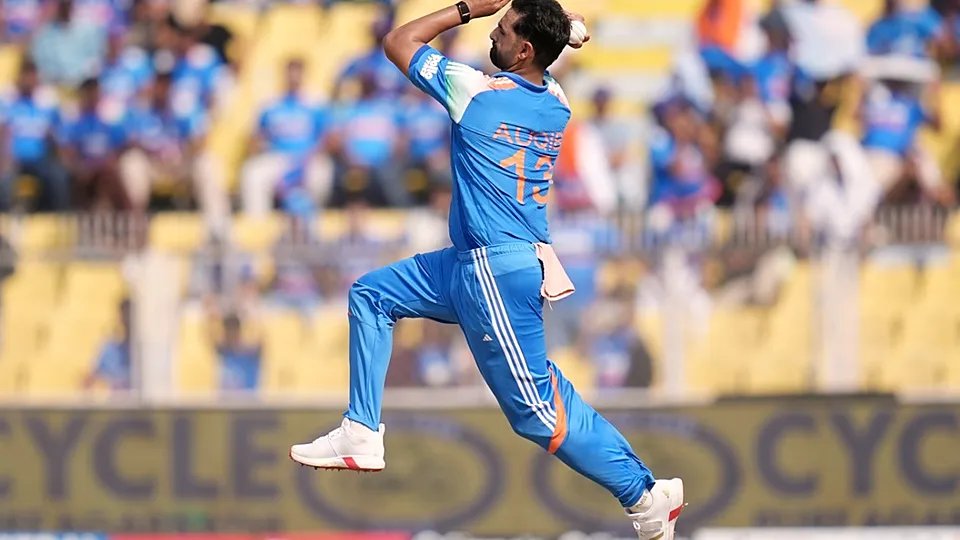
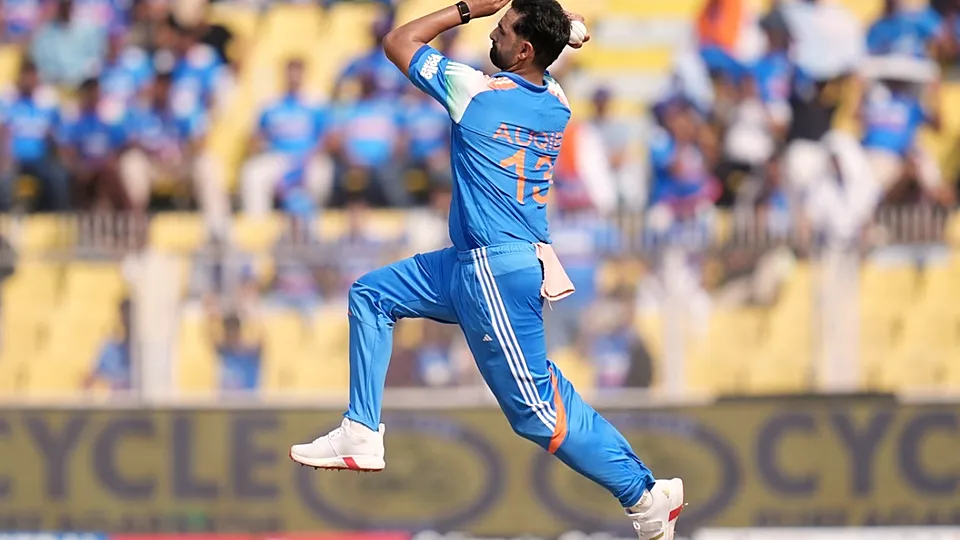
When the New Zealand coach announced the XI at 10:30 a.m. at Seddon Park, a fresh file pinged my inbox – Auqib Nabi, added for the first three ODIs. The timing was too neat to be coincidence.
Why the Selection Stunned the Odds‑Market
The betting boards had already set India’s opening‑bowling spread around three‑for‑six under‑30‑minute spells. Suddenly, a 23‑year‑old with a skiddy hard‑length and a reputation for a hostile new‑ball burst entered the equation. Bookies scramble, and so do the analysts. Did the board see a hidden weapon, or is this a stop‑gap for a sore‑legged veteran?
In the last West Indies game, Nabi clocked 1/47 from ten overs, picking up two crucial wickets in the middle overs. Not a headline‑grabbing performance, but the kind of steady pressure that turns a sticky red‑soil track into a batting nightmare. His yorker at the death is still a work‑in‑progress, but the raw pace – just over 140 km/h – is enough to make the Kiwi batsmen think twice about the flick of the wrist.
Impact Player Gamble: A Tactical Pivot?
India’s new‑ball strategy has always been a blend of swing‑heavy reliance on Bhuvneshwar and sheer speed from Bumrah. With Bumrah nursing a niggle, the board opted for a ‘Impact Player’ slot – a clever way to keep the death‑overs weaponry intact while giving Nabi a three‑over runway.
- New‑ball spell: 6‑8 overs, skiddy hard‑length, seam‑position on the rise.
- Middle‑overs: 10‑12 overs, focus on line‑outside‑off, extract bounce on the slower‑pitch sections.
- Death: 4‑6 overs, yorker drills, slower ball variations – still in development.
The plan mirrors the Ranji grind: let the youngster earn the trust in low‑pressure phases, then unleash him when the match is on the line. The question is whether the Kiwi side will adjust their batting order to neutralise the early swing or sit back and let the run‑rate climb.
Numbers That Don’t Lie – Yet
| Match | Overs | Runs | Wickets | Economy |
|---|---|---|---|---|
| West Indies vs India, Sep 2026 | 10 | 47 | 2 | 4.70 |
| IPL ‘23 debut | 4 | 22 | 1 | 5.50 |
| First-class debut | 23 | 68 | 4 | 2.96 |
Stats suggest a bowler still learning the art of containment. Yet, in New Zealand, the dew factor after 8:30 PM IST often turns the outfield into a slippery carpet, favouring bowlers who can grip the ball late. Nabi’s ability to swing the ball both ways could be the surprise element when the lights come on.
What ‘Cricket Book’ Says About Fast‑Bowling Depth
Every seasoned analyst has a battered copy of the Cricket Book on the shelf – the one that lists every bowler’s pitch map, release point and speed radar. Flipping to the 2024 edition, you’ll see a trend: Indian fast‑bowling depth is no longer a myth; it’s a strategic asset. The book lists six bowlers with sub‑140 km/h speeds, five with a proven death‑over record. Nabi’s entry pushes that count to seven, a figure that could tilt the odds by 0.15 in India’s favour for the series opener.
That marginal shift is enough for the punters: a 12% swing in the win‑probability column. It also forces the New Zealand captain to rethink the opening partnership. Should Rohit Sharma and Shreyas Iyer attack the new‑ball, or adopt a cautious approach, allowing the seam to settle?
Dress‑Room Chatter: Who’s Buying the Narrative?
Sources in the Indian camp say the dressing‑room buzz is a mix of excitement and caution. Senior pacers, who have logged over 200 ODIs, are reportedly mentoring Nabi on the subtle art of bowling into the pitch – a skill that makes the ball swing back into the right‑hander’s lane after a short bounce.
"He’s got the raw pace, now he needs the cricket‑sense," a senior bowler whispered, eyes on the practice nets.
Meanwhile, the batting unit seems unfazed. The media‑hype around Rohit’s form has already peaked; the next step is to ensure the top order builds a platform that lets the bowlers attack later. A 250‑plus total is the target, but the first 30 overs will set the tone.
Odds, Strategy, and the Road Ahead
From a strategist’s desk, the move is a low‑cost, high‑potential tweak. The odds market will adjust, but the real impact will be felt on the field. If Nabi can extract even a couple of early wickets, the middle‑overs choke that plagued India in the last series could be avoided.
New Zealand’s strengths lie in rotating the strike and exploiting the softer outfield after the lights come on. India’s answer? A disciplined new‑ball burst, followed by a relentless pressure‑phase in the 11‑30 over window. Nabi’s inclusion is a signal that the team management is willing to gamble on youth to break that pattern.
So, as the Seddon Park crowd awaits the first delivery, the real story isn’t just who wins the toss – it’s whether Auqib Nabi can turn a calculated selection into a decisive advantage. The Cricket Book will note the outcome, but the pundits will remember the boldness of a Jaipur desk that saw the odds shift before the first ball was even bowled.
Related coverage
- Skipper's Late Fireworks Seal Final Spot as Teen Phenom Burns, Cricket Book Review
- Vadodara Final Pitch Report: RCB Need a Cricket Book, Not a Toss Guess

Updated 2026-10-31 · Instant Rupee Deposits & 60s Withdrawals · 24/7 Support.
Access Official Cricketbook Portal →
