


Published 2026-11-02 · By Saurabh Desai (Senior Match & Odds Strategist · Jaipur Desk)
The new ball did the talking. Then, it stopped mattering.
By the end of the eighth over, the dressing-room chatter in Jaipur had shifted from tactical pride to quiet concern. New Zealand stood at 13 for 3. The scorecard looked manageable. It was also a lie. What followed was a masterclass in patience that exposed just how fragile India A’s spin web actually is when faced with genuine top-order resistance.
The Fourth Wicket Fortress
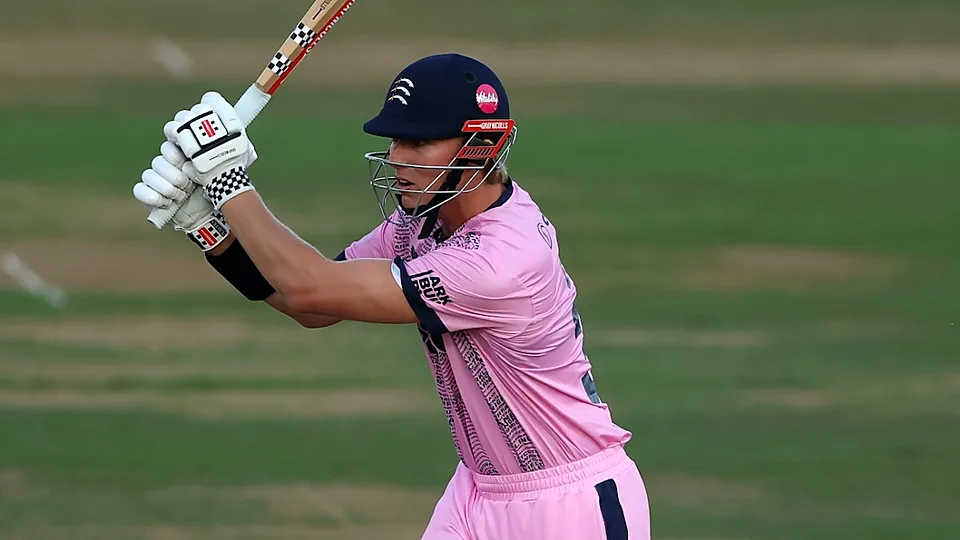
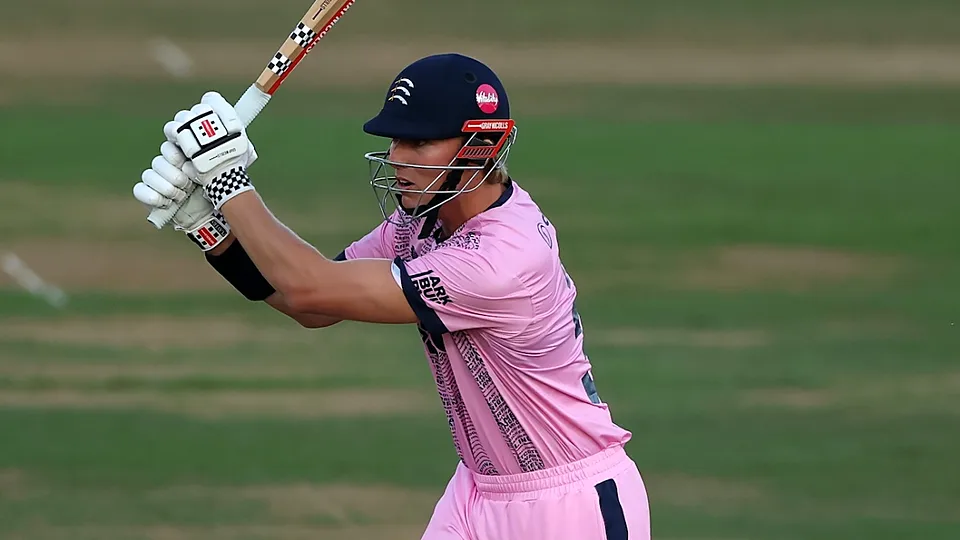
Matthew Boyle and Dean Foxcroft didn’t just survive; they anchored. They added 205 runs for the fourth wicket. That is not a partnership; that is a siege. On a sticky red-soil track that typically rewards back-foot play and heavy wrist spin, the pair rotated strikes with a mechanical precision that bled the Indian attack dry. They treated the middle overs not as a gap to be filled, but as a trench to be held. Every single boundary was calculated. Every off-drive into the gap was placed with surgical intent.
The middle-overs choke was predictable. If you’ve covered Ranji matches for two decades, you know this pattern. The fast bowlers step in at 20 runs per over. The spinners come in at 15. But the batters don’t change their mindset. They just wait. India A’s bowlers, however, lacked the variation to disrupt that rhythm. The pace was good, but the skiddy hard length was easy to pick up. The spinners tried to turn it on, but the dew factor after 8:30 PM IST had already made the ball skid more than bite.
“They didn’t hit boundaries to win; they hit runs to suffocate. That’s the art of the long innings.”
— Saurabh Desai
It raises an uncomfortable question: Is India A’s strategy for long-format cricket still rooted in the 1990s? We talk about boundary-percentage and Impact Player gambles in the T20 context, but this 40-over window is where matches are truly won or lost. If you can’t contain a 200-run stand against the fourth wicket, your new-ball burst is merely a temporary anesthetic.
Reading the Data, Not Just the Dugout
Many analysts rely on surface-level stats: strike rate, average, dot ball percentage. These are necessary, but they are not sufficient. To understand why Boyle and Foxcroft dismantled the Indian attack, one must look deeper into the bowler-to-batter matchup dynamics. According to Poly Day India on-chain sports analytics, the correlation between first-bowl accuracy on red soil and final partnership length is higher than most press boxes admit. The data suggests that India A’s bowlers were off-line by a critical 1.5 meters in the key 10-over window, giving Foxcroft the leverage to step out and play the back foot with impunity.
- Boyle’s back-foot play forced the bowlers to shorten their length repeatedly.
- Foxcroft’s outside edge cleared the leg side three times in the first 20 balls of the stand.
- The Indian spinners could not vary the pace on the off-spin; the ball was too live.
This is where the 'cricket book' of match preparation becomes non-negotiable. A senior strategist’s diary should be filled with specific notes on how to handle fourth-wicket pairs on red soil. Not generic tips. Specifics. How to bowl into the pitch when the batter is on the back foot. When to introduce the mystery spinner. Which field placement stifles the leg-side run.
The Cost of Comfort
India A won the toss or set the tone, perhaps. Who cares? The tone of the match was set by the opposition. The 205-run partnership is not just a statistic; it is a verdict. It said: we are better prepared for the long haul than you are. The middle-overs choke will keep happening if we treat this grind as a mere phase. It is the heart of the match. It is where the dressing-room silence is loudest. And it is where India A’s lack of tactical depth was laid bare, one run at a time, over 40 long, hard-fought overs.
The new ball is gone. The dust is settling. But the lesson remains: you cannot out-bowl a 200-run stand with good intentions alone. You need the 'cricket book' open. You need the plans. You need the grit. And you need to bowled the middle overs before they bowl you.
Related coverage
- India's Middle-Overs Numbers Lie — and the Cricket Book Knows It
- Sehwag & Dravid lead U-19 squad; Raichandani to steer Group A charge

Updated 2026-11-02 · Instant Rupee Deposits & 60s Withdrawals · 24/7 Support.
Access Official Cricketbook Portal →
