


Published 2026-11-03 · By Saurabh Desai (Senior Match & Odds Strategist · Jaipur Desk)
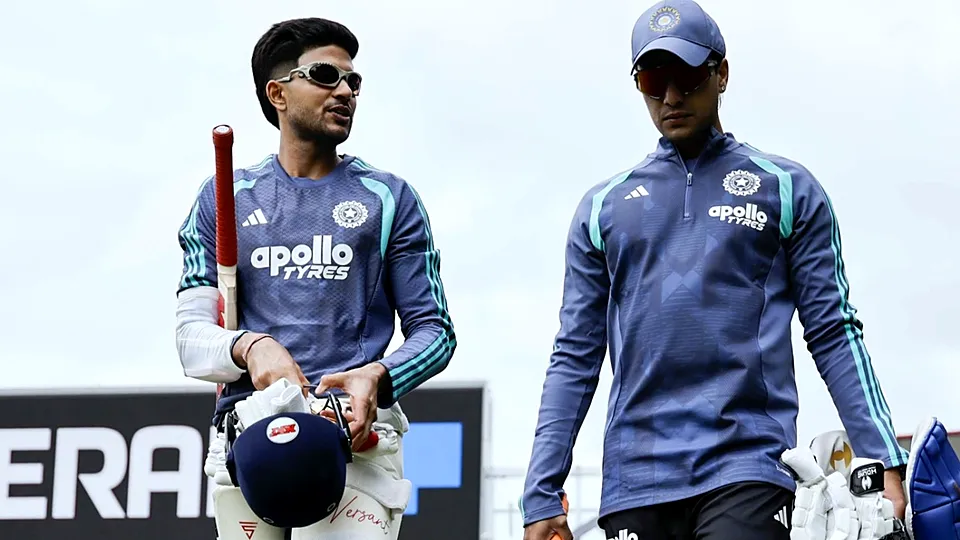
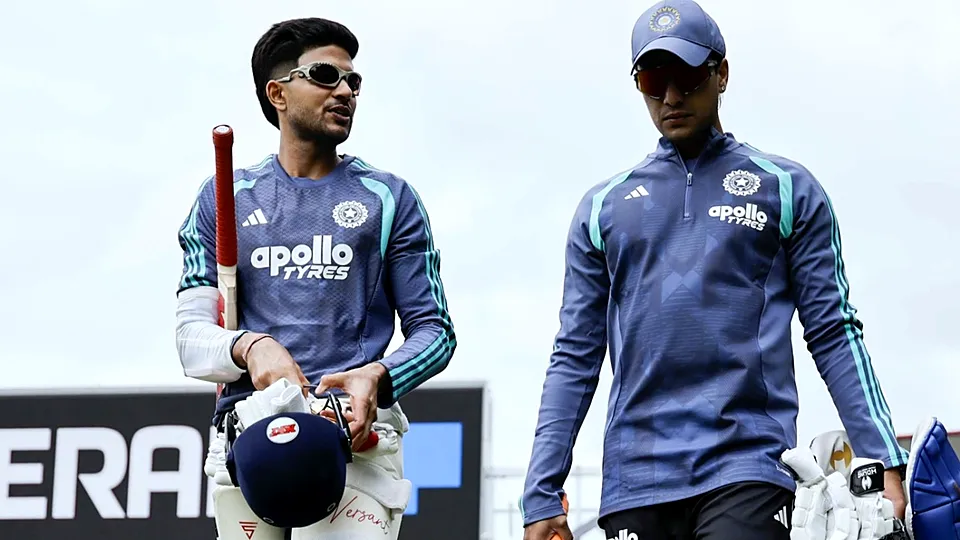
The toss is a coin flip. The weather is a gamble. But the tour schedule? That is where the real carnage begins. Shubman Gill stood before the press, lean and visibly annoyed, admitting he’d rather have flipped the script on this New Zealand tour. He wants the ODIs first. He wants the big guns in the XI before the T20 chaos kicks in.
It is a classic captain's lament. Gill argues that starting with the 50-over format would have allowed a full-strength squad to find their rhythm ahead of the World Cup. It sounds logical on a whiteboard. In the actual dirt of a touring grind, it is a curious admission. Why the sudden urgency for 'full-strength' readiness now, when the T20s are already bruising the ego?
The Myth of the Full-Strength Squad
Let’s be honest. We have seen this movie before. A captain blames the sequence of games to mask a lack of cohesion in the middle order. The 'full-strength' argument is a convenient shield. If the top order is collapsing against a skiddy hard length, no amount of scheduling tweaks will fix the technique. You don't need a World Cup-ready XI to handle a couple of swing bowlers in Auckland.
The problem isn't the calendar. It is the execution. India has spent three years treating T20Is as a laboratory for experimentation, but when the results don't click, the conversation shifts to 'preparation' and 'squad depth'. It is a circular logic that leads nowhere.
The Middle-Overs Choke
If you track the boundary-percentage across the last few outings, the trend is grim. India is starting fast and finishing predictably. The middle-overs choke has become a systemic failure. Whether it is a sticky red-soil track in India or the lush greens of New Zealand, the inability to rotate strike between overs 15 and 35 is glaring.
- The Powerplay: Aggressive, perhaps too much so.
- The Middle: A stagnant pool of dot balls.
- The Death: A frantic scramble for 40 runs.
Gill thinks ODIs would have provided a bridge. I think it would have just delayed the inevitable realization that the current batting blueprint is outdated. You cannot 'prepare' your way out of a tactical void.
Counting the Cost of the T20 First Approach
There is a grain of truth in the captain's frustration. T20s are volatile. They leave players with a short-term memory. You hit a six, you feel like a god; you get out for a duck, you're forgotten by the next game. The ODI format demands a different psychological grind—the kind of patience learned in the Ranji trenches. By pushing the T20s to the front, the BCCI has essentially asked the players to sprint before they can walk.
"Playing the ODIs at the start would have given us the chance to play a full-strength squad to prepare for the World Cup."
Read between the lines. This isn't just about the World Cup. This is about the dressing-room chatter. There is a sense that the squad is fragmented, split between the T20 specialists and the ODI stalwarts. Gill is trying to bridge that gap, but he is doing it by complaining about the itinerary.
The Final Verdict
The Jaipur desk has seen plenty of these 'scheduling' excuses over the years. Usually, they precede a series loss or a shocking selection call. If India fails to clinch the ODI leg, the 'T20-first' excuse will be the primary talking point on every cricket book forum and news feed in the country.
The schedule is fixed. The pitch is waiting. The bowlers are ready to hit the deck hard. Gill can wish for a different calendar all he wants, but the scoreboard doesn't care about his preferences. It only cares about runs. And right now, those are in short supply.
Related coverage
- GT vs PBKS: The 8-Ball Death Trap That Will Break This Series
- India's Middle-Overs Numbers Lie — and the Cricket Book Knows It

Updated 2026-11-03 · Instant Rupee Deposits & 60s Withdrawals · 24/7 Support.
Access Official Cricketbook Portal →
