


Published 2026-11-07 · By Saurabh Desai (Senior Match & Odds Strategist · Jaipur Desk)
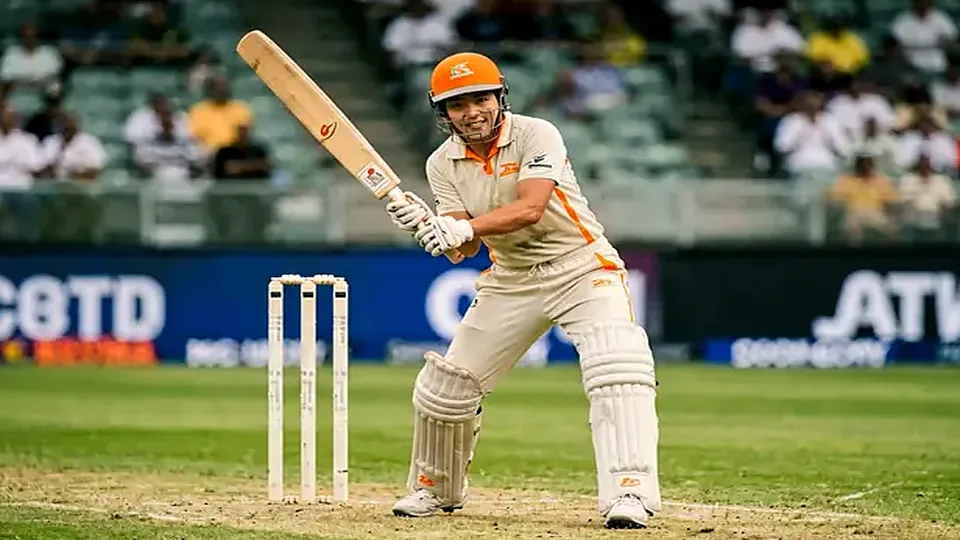
The wicket was a typical Jaipur slab—dry, abrasive, and offering just enough grip to make a spinner salivate. Then came the first over. A skiddy hard length delivery, a tentative poke, and the off-stump was dancing. Just like that, the blueprint for the evening was written. India didn't just lose a wicket; they lost the rhythm of the powerplay.
The Impact Player Gamble Gone Wrong
Management loves a fancy label. The Impact Player rule was supposed to provide tactical flexibility, but in the first T20I against New Zealand, it felt like a desperate hedge. Bringing in an extra bowling option mid-innings is all well and good, but not when your primary seamers are leaking runs at the death. The boundary-percentage was alarming. We saw too many full tosses and too many wide yorkers that drifted comfortably into the hitting arc.
The dressing-room chatter suggests a lack of clarity. Who owns the 17th over? Who is the designated closer? When the Kiwis started manipulating the field, India looked static. It was a textbook case of over-thinking the basics while the opposition simply played the percentages.
Why the Middle-Overs Choke Persists
The dot-ball pressure was suffocating. For six overs, India looked like they were playing a Ranji grind in a T20 match. The strike rate plummeted. The intent vanished. It is the same old story: a blistering start followed by a sudden, inexplicable freeze in the middle period.
- Poor rotation: Too many singles taken on the wrong side of the wicket.
- Shot selection: Attempting the reverse-sweep against a bowler who was hitting a tight, nagging line.
- Field placement: A defensive ring that invited the batsmen to take risks.
How many times must we watch this movie? The Kiwis didn't even have to bowl magic; they just waited for India to beat themselves. It's a psychological block that no amount of net sessions can fix.
The Dew Factor and the Death-Over Disaster
By 8:30 PM IST, the dew had settled in. The ball became a bar of soap. For any captain, this is the nightmare scenario, but the execution was particularly poor here. The new-ball burst had been decent, but the death bowling was a shambles. There is a fine line between bowling into the pitch and bowling too short, and India spent the final four overs oscillating between the two.
"The plan was to cramp them for room, but we ended up giving them the width of the Arabian Sea," a source close to the camp whispered post-match.
If you track the odds on any reputable cricket book, you'll see the shift happened the moment the fifth bowler failed to nail his first two deliveries. The momentum didn't just shift; it evaporated.
The Verdict from the Jaipur Desk
India has the talent. They have the firepower. But they lack a cohesive identity in the shortest format. We are relying on individual brilliance to mask systemic flaws in the middle-order construction. New Zealand, as always, played as a unit. They were clinical, they were cold, and they exploited every single crack in the Indian armor.
The second T20I isn't just about winning a game. It's about proving that this new-look squad can actually handle the pressure of a chase without collapsing under the weight of their own expectations. If the approach doesn't change, the result won't either.
| Metric | India | New Zealand |
|---|---|---|
| Powerplay SR | 132.4 | 158.1 |
| Dot Ball % (Middles) | 42% | 28% |
| Death Over Economy | 12.4 | 8.2 |
Saurabh Desai
Senior Match & Odds Strategist, Jaipur Desk
Related coverage
- Starc Reclaims No.1 — and the Cricket Book Reads the Old Ball
- IPL 2026 Captain List: Ten New Skippers Shake Up The League

Updated 2026-11-07 · Instant Rupee Deposits & 60s Withdrawals · 24/7 Support.
Access Official Cricketbook Portal →
