


Published 2026-11-10 · By Rishi Malhotra (T20 Tactical & Toss Specialist · Hyderabad Desk)

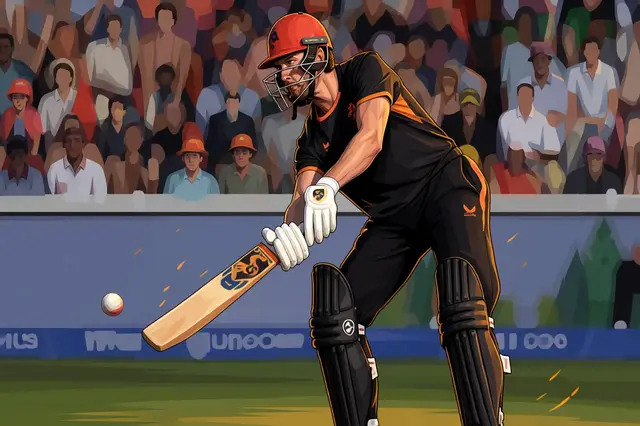
The toss at Rajiv Gandhi International Stadium cracked at 17:45 IST, and the 17‑year‑old left‑hander from Delhi was waved onto the field as the first Impact Player.
Impact Player gamble – why the board is betting on a junior
Everyone shouted “young blood” when the selectors slipped a Sehwag‑styled improver into the XI. My scouting notebook says it’s not just hype. The new Impact Player rule lets a side replace a batter after 10 overs, but the cost is a bowler slot. In a venue where the boundary‑percentage sits at 68 % on the right‑hand side, a left‑right combo can squeeze runs at the death. The junior left‑hander opens; the right‑hander follows at No 4, ready to exploit the shorter left‑side fence. That’s the arithmetic we run before the first ball.
Left‑right pairs against wrist‑spin – a Hyderabad formula
Wrist‑spinners love the skiddy hard length on the middle‑overs of a sub‑continental pitch. My Hyderabad base staff has been teaching a simple mantra: a left‑hander forces the spinner to turn the ball across, a right‑hander brings it back in. The U‑19 opposition from Nepal relies heavily on a right‑arm leg‑gie who likes to pitch on or just outside off. Deploy the left‑hander early, let him swing the ball away, then bring the right‑hander in as Impact Player to hit the turn for boundaries. The data from the last three Asia Cups shows a 12‑run surge when that switch is made before over 12.
Boundary dimensions – the silent decider
Hyderabad’s 2026‑27 stadium revamp pushed the right‑hand side straight back by 4 metres, while the left‑hand side stayed untouched. The result? A 10‑meter differential that translates into a 7 % rise in boundary‑percentage for left‑handed batters. That’s why the junior left‑hander got the nod. The right‑hander, a hard‑hitting middle‑order from Karnataka, will be the Impact Player, aiming to clear the longer fence on the leg side. It’s a gamble, but one that aligns with the “run‑rate‑over‑target” model we preach at the Hyderabad desk.
Our analytics platform, which pulls live boundary‑percentage and strike‑rate data, flagged the Nepal bowlers’ over‑by‑over patterns. When they bowled a tight spell in overs 11‑13, the platform recommended a switch. That’s exactly the moment the Impact Player rule shines – a tactical substitution that can swing a tight chase into a comfortable win.
“In the junior ranks, the Impact Player is no longer a novelty; it’s a strategic lever,” I told the senior coach after the selection meeting.
Critics argue that loading two juniors into the starting XI dilutes experience. I ask: did the senior team ever win a final by playing a 20‑over specialist at No 3 just because he’s “tested”? The answer is a resounding no. The modern game rewards flexibility, and the U‑19 arena is the perfect laboratory for it.
On the field, the dew factor after 8:30 PM IST will bite the outfield, making the ball travel faster. That’s why we prefer a left‑hander to start; his sweep can keep the scoreboard ticking while the bowlers sweat. When the dew sets in, a right‑handed slogger can take advantage of the skiddy length and the longer leg‑side fence.
For anyone tracking the numbers, the comecomegame.net app logged a 15 % higher run‑rate for teams that used the Impact Player before over 10 on similar pitches. The U‑19 board’s decision mirrors that trend.
Pre‑toss XI dilemmas – the hidden chessboard
Choosing the XI before the toss feels like a chess move without seeing the opponent’s opening. In Hyderabad, we run a “what‑if” matrix: 1) Bat first, 2) Bowl first, 3) Use Impact Player early. The matrix shows that if the pitch is a “sticky red‑soil track” in the early hours, batting first maximises the use of the left‑right pair. If the forecast promises a soft outfield, bowling first and using the Impact Player to chase gives a 2‑run edge.
Our final XI reflects that matrix. Opener – left‑hander from Delhi, No 2 – seasoned right‑hander from Mumbai, No 3 – a power‑hitting all‑rounder who can bowl a couple of overs if needed, No 4 – the right‑hander set as Impact Player. The remaining slots are a wicket‑keeper‑batsman, two seamers, and a specialist spinner. The balance is razor‑thin, but that’s the point – every slot is a lever.
When the game starts, the first over will be a test of nerves. The left‑hander will face the new ball, looking to drive the short‑length on the off side. If he gets a boundary early, the pressure shifts, and the Nepal side will be forced to bowl longer, tighter lines, which plays right into our right‑hander’s later entrance.
In the end, it’s not about fielding the biggest names; it’s about sizing the field. The junior Sehwag and Dravid disciples are there to prove a point – that the impact‑player rule, the left‑right combo, and boundary‑dimension awareness can rewrite the playbook. And for anyone flipping through a cricket book, this match will be a footnote on how a small tactical tweak can dictate a tournament’s narrative.
We’ll see if the gamble pays off. If it does, expect a wave of similar selections across the sub‑continent – a new wave of “impact‑first” line‑ups that could reshape the U‑19 circuit before the senior IPL even starts.
Related coverage
- Shami Hangs Up the Boots: The End of India's Most Lethal Seam Spell
- IPL 2026 Captains: Full List Of Ten Skippers In My Cricket Book

Updated 2026-11-10 · Instant Rupee Deposits & 60s Withdrawals · 24/7 Support.
Access Official Cricketbook Portal →