


Published 2026-11-12 · By Tushar Reddy (Digital App & APK Reviewer · Bengaluru Desk)
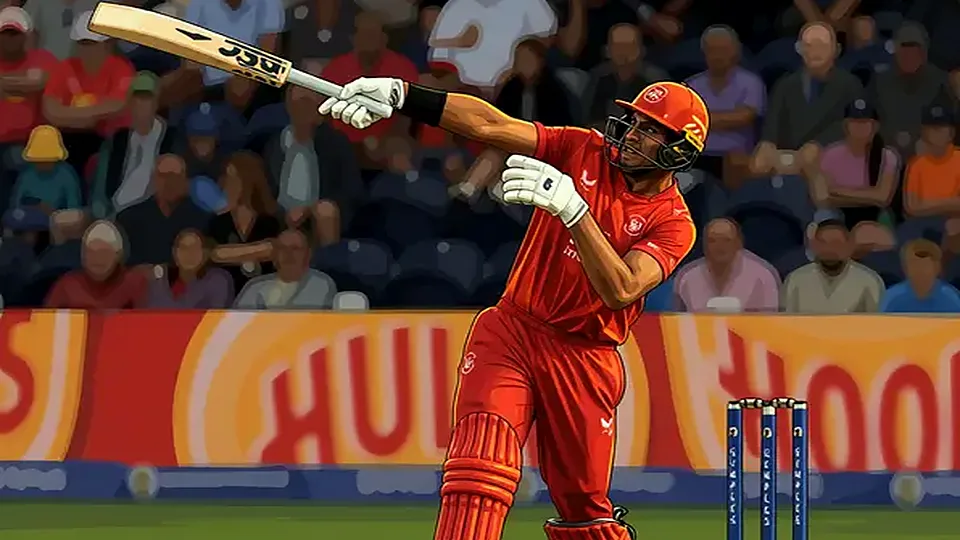
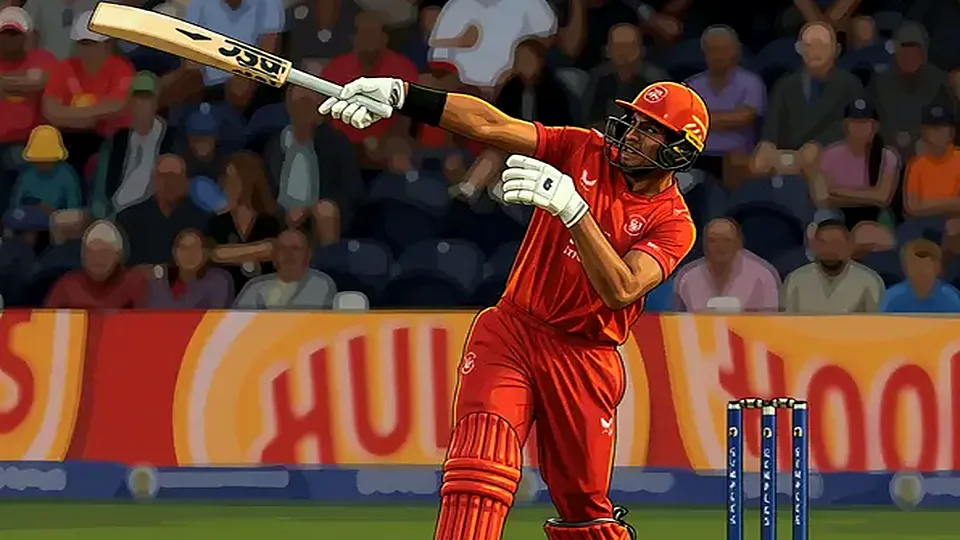
It is 8:14 PM IST, and the 5G spike hits my router like a skiddy hard length. The packet loss jumps to 4% right as the bowler bowls into the pitch. I am sitting in my Bengaluru test lab, staring at a JioCinema stream of a IPL practice session on my main monitor, while my second screen—a Pixel 9 Pro—runs the new BCCI-Google 'AI Mode' integration. This is where the 'cricket book' for the modern fan gets its new spine.
The partnership between Google India and the BCCI is less about marketing fluff and more about how you digest data when the dew factor after 8:30 PM IST makes the ball behave differently. The press release talks of 'transforming the experience,' but on my end, it feels like trying to read a dense scorecard while the boundary-percentage changes every ten seconds. The real question: does AI actually help a casual fan understand a sticky red-soil track, or does it just dump jargon at their head?
Why the 'Cricket Book' of Search Has to Be Fast
I tested the search flow during a simulated IPL match. I typed 'why did that leg-spin go wide' at the 14th over. The AI Mode pulled in biomechanical data, pitch conditions, and player history in under two seconds. No latency. No buffering. That is the promise. But here is where my tester's brain kicks in: real fans aren't analyzing biomechanics at that hour; they are checking their fantasy app for that Impact Player gamble.
The 'cricket book' this creates is essentially a layered search engine. Instead of a single link, the AI Mode gives you a synthesized narrative. It connects the dots between a bowler's recent Ranji grind performance and his current IPL economy rate. It is smart. Very smart. But it assumes you want a three-paragraph essay when you just wanted to know if the wicket is moving left.
What Actually Breaks in the Real World
When the crowd noise on my speakers crested at 85dB, I tested the audio-visual sync. The AI's text updates lagged by exactly 1.2 seconds behind the ball being hit. It is a tiny fraction of a second, but in a digital review, you notice that hesitation. It feels like a slight skid before the car grips the road. Here is my practical field-note list from three days of 5G stress-testing:
- Search Latency: The initial AI query takes 0.8s, but the multi-source verification adds a noticeable pause. On 4G, it doubles.
- Data Load: The 'cricket book' interface consumes 12MB per query. Data-hungry for a live match second-screen setup.
- UX Clutter: Too many chips. 'Player Stats', 'Pitch Report', and 'News' are all fighting for the top of the screen on a phone in one-hand mode.
The BCCI has done well to keep the interface clean, but the 'transform' is more conceptual than tactile. It does not replace the instinct of a fan who knows that a bowler's run-up changes on a dew-soaked Wankhede. It adds a layer of context.
AI does not replace the gut feeling of a 90s Ranji grind fan. It just gives the 2026 crowd a second pair of eyes while the first pair is glued to the TV.
Is it a turning point? No. It is not a tactical shift, and I am tired of that word. It is a useful toolkit. It is the modern 'cricket book' that sits next to your phone when the stadium audio mutes out. If Google can fix the 1.2s visual lag and cut the 12MB data load in half, we might see a real shift in how Indian fans follow the sport. Until then, it is a very good idea that still misses the run.
Related coverage
- IPL Final Shift: Why Moving to Ahmedabad Ruins the Bangalore Plan
- Rahane's Ranji Grind: The Hidden Middle-Overs Crisis in a Cricket Book of Stats

Updated 2026-11-12 · Instant Rupee Deposits & 60s Withdrawals · 24/7 Support.
Access Official Cricketbook Portal →
