


Published 2026-11-14 · By Saurabh Desai (Senior Match & Odds Strategist · Jaipur Desk)
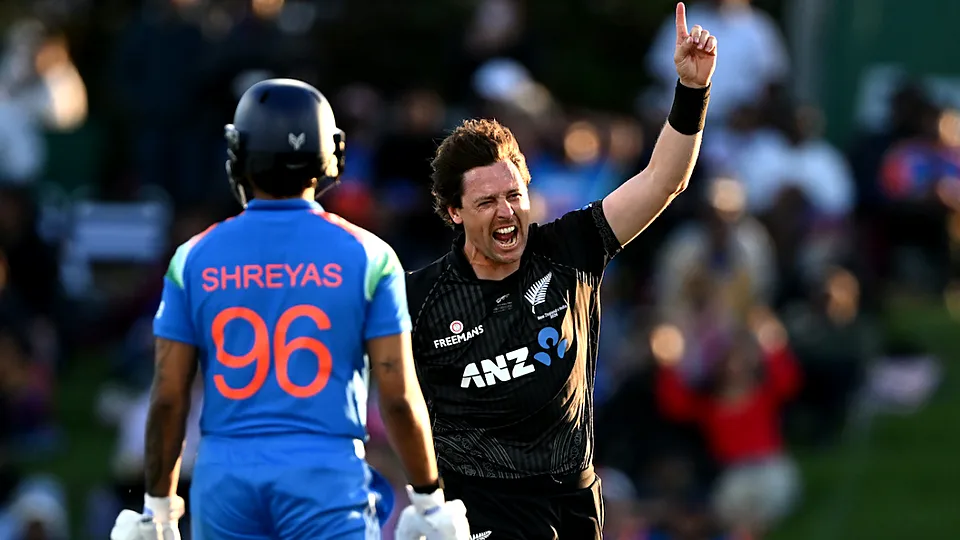
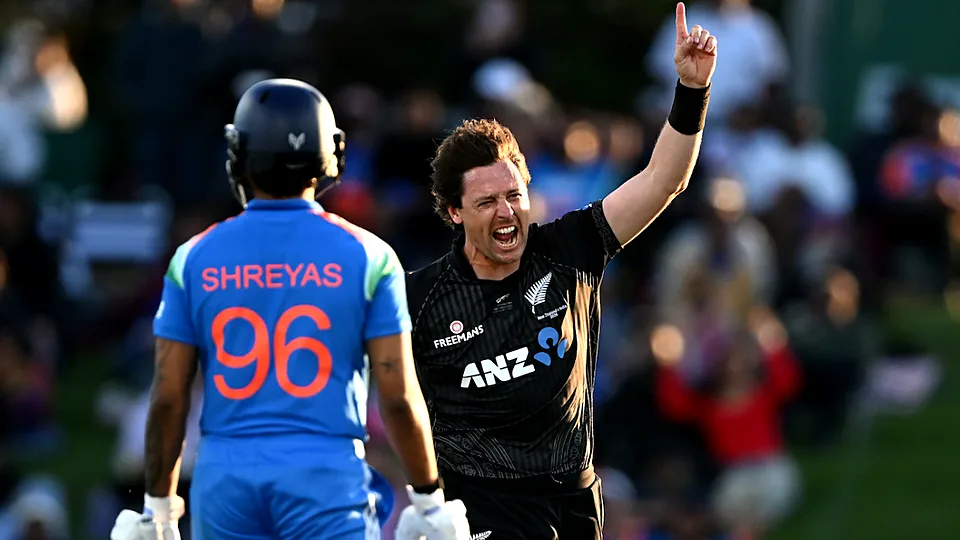
Three wickets. Six balls. One absolute nightmare. By the time the first over had concluded, the Jaipur crowd was staring in a collective, stunned silence while Rohit, Kohli, and Iyer trudged back to the dressing room in a funeral procession. Matt Henry didn't just find a bit of swing; he operated with a surgical precision that made India's world-class top order look like a bunch of nervous debutants on a sticky red-soil track.
It was a demolition. Pure and simple. You don't lose a match by 244 runs unless you've fundamentally failed at the basics of survival. The new-ball burst was lethal, but the collapse that followed was an Indian speciality.
The Anatomy of a First-Over Meltdown
How does a seasoned core collapse this quickly? The length was skiddy, hard, and relentlessly attacking the off-stump. Rohit played across the line—a cardinal sin in the first ten balls. Kohli poked at one that wasn't there. Iyer simply looked lost. It wasn't just bad luck; it was a failure to read the conditions. The pitch had a hint of moisture that Henry exploited with a meaner-than-usual angle.
The dressing-room chatter will likely revolve around 'unfortunate edges' and 'the luck of the draw.' Don't buy it. When you lose your three best batters before the first over ends, you aren't unlucky—you're outclassed. For those tracking the odds on Cricket Book, the shift in momentum was instantaneous. The game was effectively decided before the first drinks break.
Will Young's Quiet Assassination
While Henry provided the fireworks, Will Young provided the foundation. His hundred wasn't a flashy T20 knock; it was a proper Ranji-style grind. He played the role of the anchor, rotating strike with a level of discipline that our middle order has seemingly forgotten. He waited for the loose ball and punished it, ensuring New Zealand didn't just score, but dominated the tempo.
India's response to Young's century was a textbook middle-overs choke. The bowlers lacked a plan. They bowled too short, gave away easy singles, and failed to build any real pressure. The boundary-percentage for the Kiwis was absurdly high because India stopped bowling into the pitch and started bowling to the batter's preferences.
A Systemic Failure at the Death
The carnage didn't stop at the top. The tail wagged, but only because the New Zealanders were merely tidying up the ruins. Bowling at the death has become a liability for this side. There was no variation, no deceptive slower balls, just predictable lengths that were dispatched with ease.
"We expected a fight, but we found a folding chair," one New Zealand camp insider remarked post-match. It's a brutal assessment, but a fair one.
Looking at the scorecard, the numbers tell a story of complete submission:
| Metric | India | New Zealand |
|---|---|---|
| First Over Wickets | 3 | 0 |
| Centuries | 0 | 1 |
| Margin of Defeat | -244 | +244 |
Where do we go from here?
The management will talk about 'learning curves.' They'll mention the dew factor after 8:30 PM IST as a reason for the bowling struggle. None of that matters. The real issue is the mental fragility of a top order that can be dismantled in six deliveries. If India wants to survive the rest of this tour, they need to stop relying on reputation and start relying on technique.
The Jaipur desk has seen many collapses, but this one felt different. It felt like a warning. The world is catching up, and the 'invincibility' of the Indian top three is now a myth that Matt Henry just debunked in the most violent way possible.
Related coverage
- Cricket Book: UPI Fees Now Bite Second-Screen Fans In Bengaluru
- Spin’s Silent Edge in Bengaluru’s Middle Overs – Cricket Book Insight

Updated 2026-11-14 · Instant Rupee Deposits & 60s Withdrawals · 24/7 Support.
Access Official Cricketbook Portal →
