


Published 2026-11-15 · By Saurabh Desai (Senior Match & Odds Strategist · Jaipur Desk)
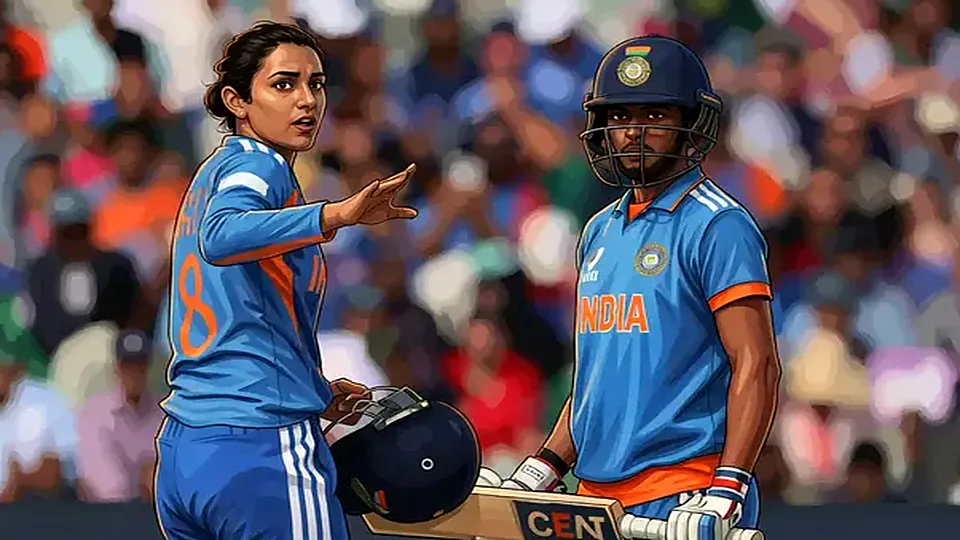
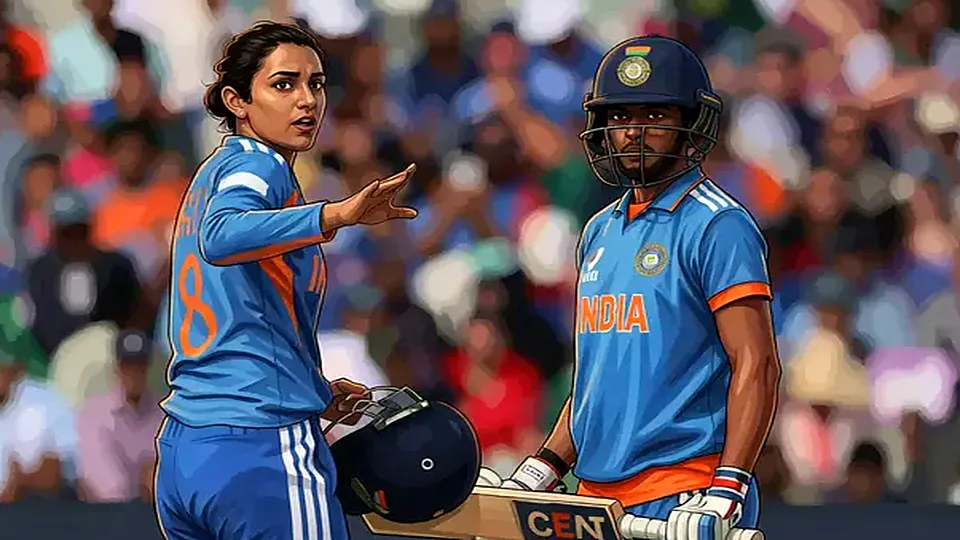
The final over didn't even need to happen. By the time the penultimate over wrapped up, the result was as certain as a Mumbai monsoon in July. The Women in Blue hadn't just won a game; they had dismantled a blueprint. It was a clinical, cold-blooded demolition that left the opposition searching for answers that simply weren't there.
For years, the narrative around Indian women's cricket has been one of 'potential' and 'growth.' Enough of that. This gold medal in Nagoya is a hard currency. It is the result of a shift from merely competing to dominating the tactical nuances of the short format. The way they squeezed the middle overs—a textbook choke that would make any T20 specialist blush—showed a maturity that has been missing in previous campaigns.
The Art of the Middle-Overs Squeeze
The game was won between the 7th and 14th overs. While the opposition tried to manufacture boundaries, India played a game of percentages. The lengths were skiddy, the lines were disciplined, and the field placements were surgical. No easy singles. No release valve. Just a relentless buildup of pressure that eventually forced the collapse.
It wasn't just about the raw pace. It was the subtle variation—the slower-ball bouncer, the wide yorker—that kept the batters guessing. When you track the boundary-percentage for the opposition during that stretch, the numbers are dismal. India didn't just bowl; they suffocated.
"We stopped playing the occasion and started playing the ball. That's the only difference between a silver and a gold," a veteran of the squad remarked in the dressing-room chatter post-match.
Beyond the Scorecard
Let's talk about the batting. Too often, we see a collapse after a strong start. Not today. The top order played with a level of aggression that felt calculated rather than reckless. They didn't just target the weak links; they took the fight to the strike bowlers. The running between the wickets was sharp. The intent was clear.
If you've been following the deep-dives on cricket book, you'll know the skepticism surrounding India's ability to handle high-pressure finals in overseas conditions. Nagoya provided the perfect rebuttal. The pitch had a bit of a sluggish feel—almost like a sticky red-soil track in a Ranji grind—but the batters adapted their game instantly. They played late. They played the merit of the ball.
The Tactical Edge
What really stood out was the bowling at the death. There was no panic. No wayward full tosses. Just a disciplined execution of the plan. In a tournament where a single mistake can derail a campaign, India's execution was flawless.
- Powerplay Discipline: Only 22 runs conceded in the first six.
- The Spin Trap: Two crucial wickets fell trying to slog the off-spinner.
- Fielding Intensity: Three half-chances converted into wickets.
This isn't a fluke. It's the inevitable result of professionalizing the domestic structure. The gap between the WPL intensity and the international stage is closing. The players are no longer intimidated by the occasion. They are hunting.
A New Benchmark
This gold medal does more than add to the trophy cabinet. It kills the 'underdog' tag once and for all. India is now the benchmark. The question is no longer whether they can win a major tournament, but how many they can hoard. For the young girls watching in Jaipur, Mumbai, or Bengaluru, the ceiling has just been raised.
The celebration in the Nagoya camp was loud, but the victory was quiet, professional, and utterly deserved. The Women in Blue have arrived. And they aren't leaving anytime soon.
— Saurabh Desai
Related coverage
- Cricket Book: A 12-Team WTC Sounds Great Until the Overs Run Out
- Cricket Book: UPI Fees Now Bite Second-Screen Fans In Bengaluru

Updated 2026-11-15 · Instant Rupee Deposits & 60s Withdrawals · 24/7 Support.
Access Official Cricketbook Portal →