

Published 2026-11-17 · By Saurabh Desai (Senior Match & Odds Strategist · Jaipur Desk)
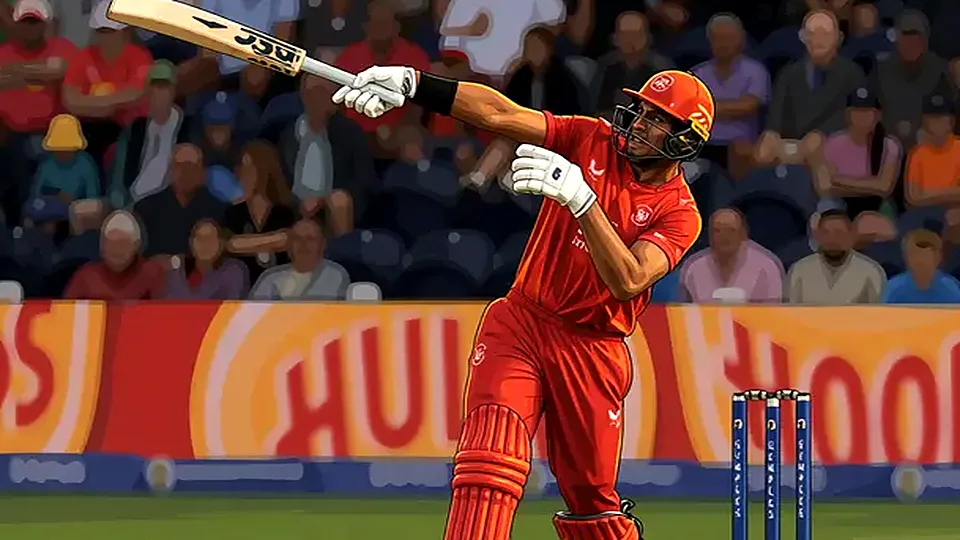
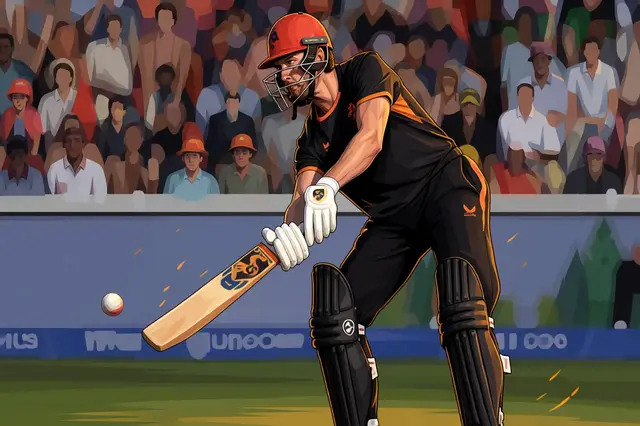
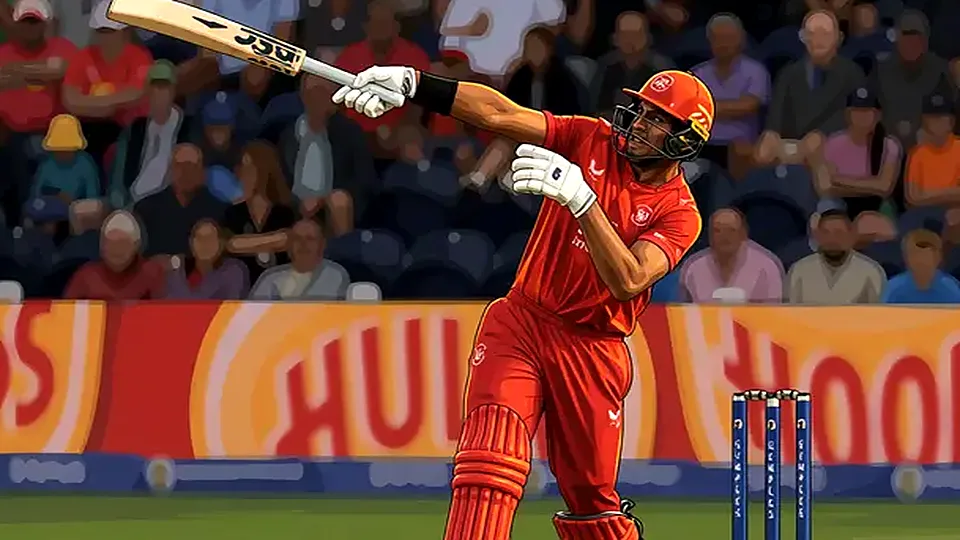
One ball. Four runs. The kind of suffocating silence that only descends when an Indian teenager faces a Pakistani pacer with a trophy on the line. The bowler steamed in, hit a skiddy hard length, and for a heartbeat, the Jaipur desk thought we were looking at a collapse. Then came the flick—a desperate, wristy heave that cleared the mid-wicket boundary by a few inches. Pure chaos ensued.
India U19 have clinched the Asia Cup, but the scorecards won't tell you about the sheer panic in the dugout. This wasn't a clinical demolition. It was a street fight.
The Art of the Middle-Overs Choke
For the first fifteen overs, India looked like they were playing a friendly. The batting looked tentative. There was no intent to dominate, just a pedestrian accumulation of singles that played right into Pakistan's hands. We saw the classic middle-overs choke—that peculiar Indian tendency to forget the boundary exists once the powerplay ends. The run rate climbed, the required rate became a monster, and the dressing-room chatter grew frantic.
How do you let a chase slip like that? You don't. Not when the pitch is a typical red-soil track that starts gripping as the dew factor kicks in after 8:30 PM IST. The surface was sticky. The ball was stopping. Yet, the top order played as if they were on a concrete slab in Mumbai.
Bowling at the Death: A Lesson in Panic
If India's batting was tentative, Pakistan's death bowling was a tragedy. They had the game in their pocket. They had the momentum. But as is often the case in these high-voltage clashes, the execution crumbled. Instead of hitting the yorker length, the Pakistani attack started spraying it wide or leaking half-trackers that were begging to be dispatched.
The boundary-percentage shifted violently in the final three overs. It was a tactical meltdown. One misplaced length. One missed Yorker. That is all it takes at this level.
"We didn't play the situation; we played the fear. The last ball was a miracle, not a plan." — An anonymous source within the camp.
The 'Cricket Book' Odds vs. Reality
If you were tracking the live markets on a cricket book, you would have seen the odds swing like a pendulum. India were heavy underdogs at the 40-over mark. The math was simple: Pakistan had the control, the wickets, and the psychological edge. But U19 cricket is rarely about the math. It is about temperament.
The final over was a masterclass in survival. India didn't outplay Pakistan; they simply outlasted them. It was a Ranji-style grind compressed into six deliveries. The winner wasn't the better team—it was the team that refused to accept defeat.
Three Takeaways from the Final
- The Powerplay Waste: India's inability to capitalize on the first six overs almost cost them the trophy.
- The Dew Factor: The ball became a soap bar in the final five overs, making it impossible for Pakistan to grip the seam.
- Mental Fortitude: The capacity to ignore the noise of a packed stadium is what separates a domestic plodder from a future international star.
We will call this a 'heroic' win in the headlines. Let's be honest. It was a lucky escape. But in the history books, the luck is scrubbed away, leaving only the gold medal. India are champions. Pakistan are left wondering where it all went wrong. The cycle continues.
Related coverage
- Spin’s Quiet Sting: Why Middle‑Overs Economy Defies Dew Talk in Cricket Book
- U19 Asia Cup Final: Hyderabad’s Tactical Take, Streaming & Cricket Book

Updated 2026-11-17 · Instant Rupee Deposits & 60s Withdrawals · 24/7 Support.
Access Official Cricketbook Portal →