


Published 2026-11-17 · By Nandini Banerjee (National Series Correspondent · New Delhi Desk)
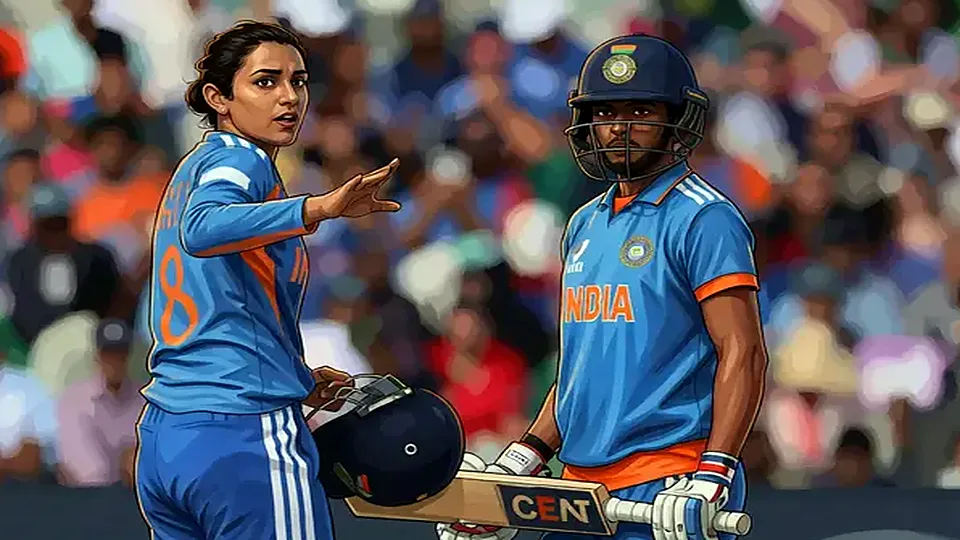
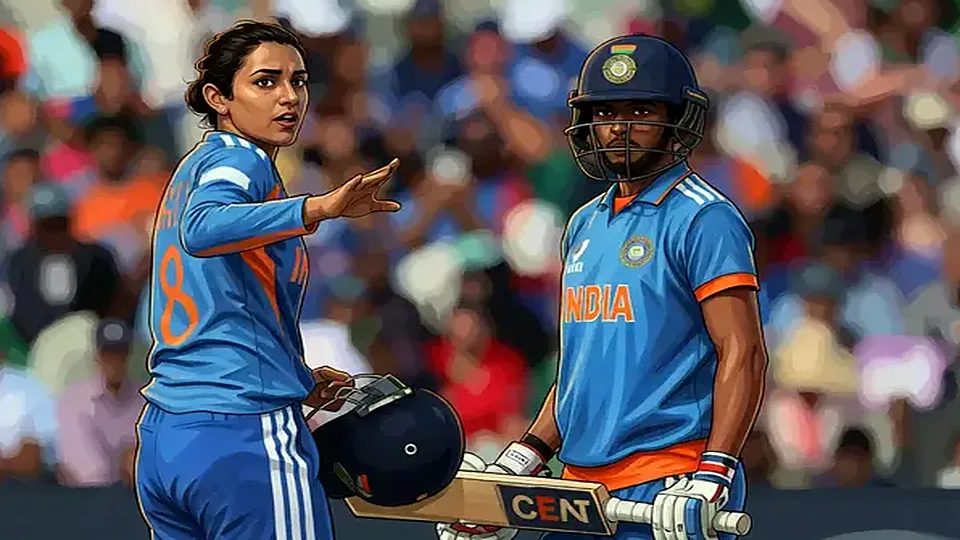
The new ball did the talking. Not the power, not the swing, but that skiddy hard length that bites on a sticky track at 8:30 PM IST. That specific micro-detail defines the T20 World Cup pathway, according to Harmanpreet Kaur. She sees the Women’s Premier League not just as a franchise league, but as the ultimate selection trial ground. For national selectors, the data sheet is the new scouting report. It’s raw. It’s unforgiving. And it tells the truth about who can handle the pressure when the stadium is full and the result is on the line.
The WPL as a Selection Filter
Harmanpreet’s view is pragmatic. Forget the Ranji grind of men’s cricket for a moment; look at the SMAT and domestic women’s circuits. The gap between state-level performance and international readiness is vast. The WPL bridges that gap. It’s where Impact Player gambles meet boundary-percentage analytics. Players who survive the high-tempo T20 format here are the ones deserving of the India kit. As Harmanpreet notes, the league is the proving ground. If you can’t deliver in the WPL, you likely can’t survive the T20 World Cup pressure. The correlation is direct. The stakes are higher. The scrutiny is laser-sharp.
"The WPL gives you the best chance to show you belong. It’s not just about runs; it’s about how you react when the pitch slows down and the dew factor kicks in."
This isn’t just theory. It’s dressing-room talk. I’ve seen young spinners from the North Zone circuit struggle against hard-hitting batters in Mumbai. They bowl with heart, but they lack the game-management intelligence the top tier demands. The WPL forces that evolution. It’s a crash course in T20 logic. When a left-arm spinner like Yashaswini or a fast-bowler like Anisha tries to adjust to a skiddy surface, you see the real test. Is it adaptation or survival? The national selectors are watching this. They aren’t just counting wickets; they are watching the bowler’s posture after a bad spell. How they talk in the net. How they handle the bat. The human element matters more than the stat line in the final few overs.
From Brabourne to the World Cup
Consider the evening humidity at Brabourne. It changes the game completely. A bowler who looks comfortable in the morning net session might find the ball skidding on a damp surface by the death overs. This is where domestic experience becomes a liability or an asset. If you’ve played enough high-stakes T20s in the WPL, you know how to bowl into the pitch. You know when to change your plan. The new ball did the talking, but only if the batter could read the surface early. For India’s T20 World Cup squad, this reading game is critical. It’s not just about hitting boundaries; it’s about managing the middle overs when the momentum stalls. The choke-hold happens in the 8th to the 10th over. If your team can’t break out of that, you’re in trouble. Harmanpreet understands this. She knows that the WPL provides the volume of matches needed to build this resilience. The more you face these situations, the less the pressure weighs you down.
- Impact Player Strategy: The WPL forces teams to think two moves ahead. This tactical depth translates directly to T20 World Cup scenarios where one sub can change the match flow.
- Surface Adaptability: Playing on different wickets across India in the WPL builds the skill set needed for the varying conditions in a World Cup.
- Pressure Simulation: The franchise model creates a high-stakes environment that mimics the national team’s expectations.
The cricket book you’re reading now isn’t just about the sport; it’s about the system. The system that identifies talent not just in the nets, but in the chaos of a league. The domestic circuit has its role, but the WPL is the accelerator. It’s where the young batters learn to handle the scoreboard. Where the young bowlers learn to manage their pace. The transition from state association pathways to the national stage is no longer linear. It’s fragmented, competitive, and data-driven. Harmanpreet’s point stands: you can’t hide in the WPL. Every over is under the microscope. Every miss is noted. For the T20 World Cup, that scrutiny is a prerequisite. If you can’t face the WPL lens, the World Cup lens will blind you. The selection committee is looking for players who have already survived this fire. They want athletes who have proven they can thrive in a league that demands excellence every single session. The dew factor after 8:30 PM IST is just one variable. The real variable is the player’s mind. Can you stay calm when the team is losing? Can you accelerate when the team is winning? The WPL answers those questions. And right now, the answers are starting to form the shape of India’s next T20 World Cup squad. It’s not just about who has the highest average; it’s about who has the highest consistency under pressure. That’s the metric that matters. That’s the route Harmanpreet is mapping out. It’s a long road, but the view from the top is clear.
Related coverage
- Spin’s Quiet Sting: Why Middle‑Overs Economy Defies Dew Talk in Cricket Book
- SMAT 2026‑27: Impact Player Gambits – Hyderabad Scout (Cricket Book)

Updated 2026-11-17 · Instant Rupee Deposits & 60s Withdrawals · 24/7 Support.
Access Official Cricketbook Portal →
