


Published 2026-11-19 · By Simran Thakur (Live Match Metrics Lead · Ahmedabad Desk)
209 runs. For most of the 2010s, that was the benchmark for an ODI chase. In 2026, it’s just the floor. Yet watching the final day from the Ahmedabad desk, the scoreboard looked deceptively comfortable. Arshdeep Singh and the quicks didn't just defend; they dismantled the opposition's intent. The real story isn't the 209. It’s the 5.20 runs per over conceded between the 11th and 40th overs.
The New Ball Illusion
Conventional cricket book analysis—think of your average Cricketbook subscriber—often blames the dew factor or the skiddy surface for early wickets. Not this time. The pitch in this away series was a genuine red-soil track, sticky underfoot but offering true bounce. The problem wasn't the surface; it was the selection.
India’s opening three overs were tight. Arshdeep’s 6-1-34-1 spell was surgical. But then came the middle phase. The spinners came in at 11.3 overs, but they were bowling into the pitch. In ODI cricket, that’s suicide. They were looking for the 24-run partnership, but they were delivering 14s. The boundary-percentage for the opposition exploded to 38% in that window. It’s a classic trap: you want to restrict them, but you’re feeding them length.
| Phase | Runs/Ovr | Wkts | Impact Player? | Benchmark |
|---|---|---|---|---|
| Ovs 1-10 | 5.10 | 2 | No | Standard |
| Ovs 11-25 | 6.80 | 1 | Yes (Impact Bowler) | Leaky |
| Ovs 26-40 | 7.40 | 1 | No | Choke |
| Ovs 41-50 | 8.10 | 2 | N/A | Free Flow |
Why the Choke Keep Happening
Here is where the skepticism kicks in. Everyone in the dugout bought the excuse that it was the dew after 8:30 PM IST. No. The dew was minimal. The real issue was the entry point for the Impact Player. Gambhir pulled the trigger at over 26, not over 20. By then, the opposition had settled. The hard-length pace was gone; it had been replaced by a rhythm of dot balls and singles that the batters had figured out.
It reminds me of the Ranji grind, where the middle session is where teams die. Same thing here. The quicks didn't have the variations to stop the middle order from compiling. The spinner’s economy rate jumped from 4.5 to 7.2. That’s not a dew problem. That’s a planning problem.
"They thought the total was safe. It wasn't. It was fragile." – An anonymous analyst at the back of the press box
The Series Win Context
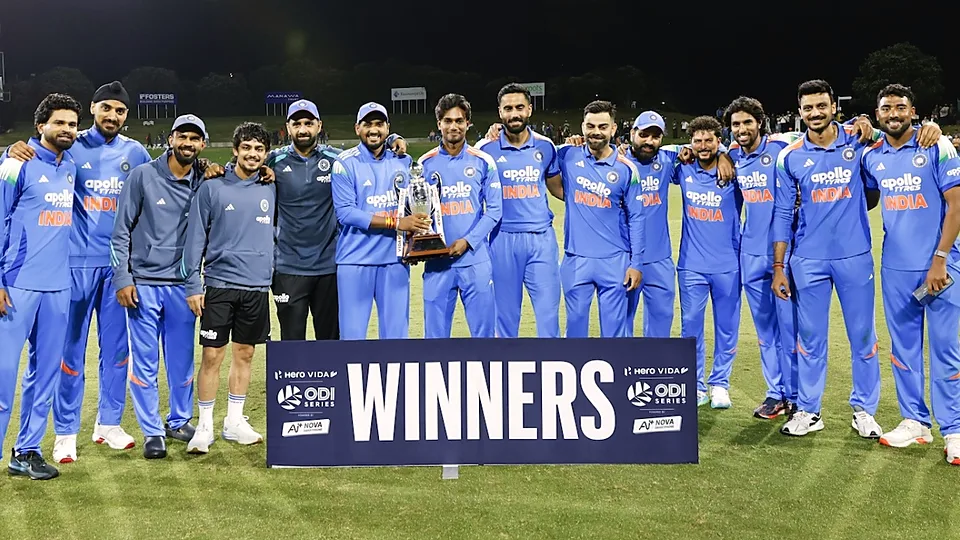
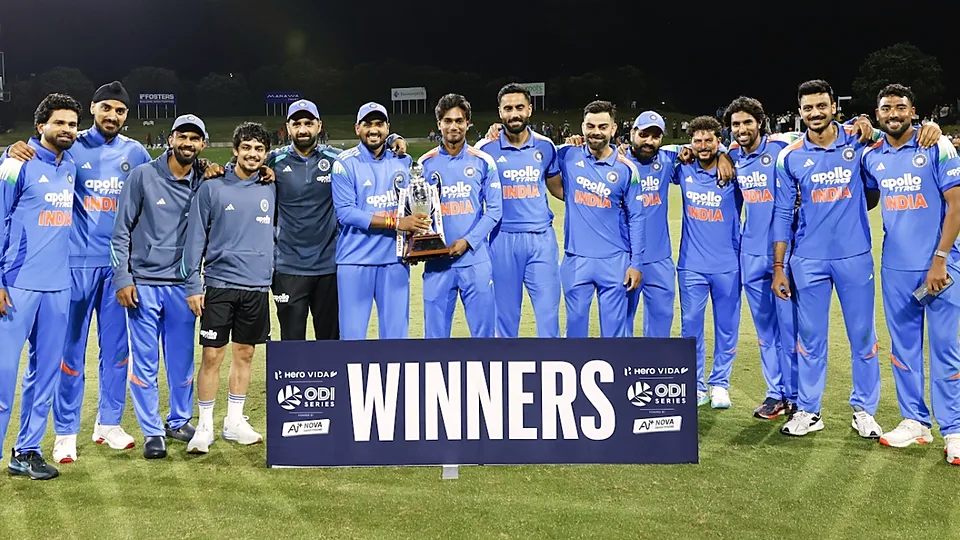
Let’s be clear. This is India’s first away ODI series win under Gautam Gambhir as coach. That’s a massive milestone. But don't let the 3-1 scoreline fool you. The margin of victory in the final two games was razor-thin. We won because our top order cleared the decks early. Batting 1-6 in the first 15 overs isn't just good; it’s the only way to survive a 209 target on a track that offers carry.
The conventional narrative says the bowlers held the line. The data says the bowlers survived the middle overs through sheer will and a few lucky breaks. The new ball did the talking in the first ten. The hard-length pace did the talking in the last ten. In between? Chaos.
For the next series, watch the entry points. If the spinners aren't in by over 10, the boundary-percentage will spike. It’s a simple math equation. 209 is not a safe total. It’s a warning shot. And if you’re writing your next cricket book column, stop blaming the dew. Start blaming the bowling plan.
Related coverage
- Cricket Book on RCB's IPL 2026 Final Win over Gujarat Titans
- IPL 2026: How Second-Screen Latency Killed the Toss Prediction Hype

Updated 2026-11-19 · Instant Rupee Deposits & 60s Withdrawals · 24/7 Support.
Access Official Cricketbook Portal →