


Published 2026-11-20 · By Simran Thakur (Live Match Metrics Lead · Ahmedabad Desk)
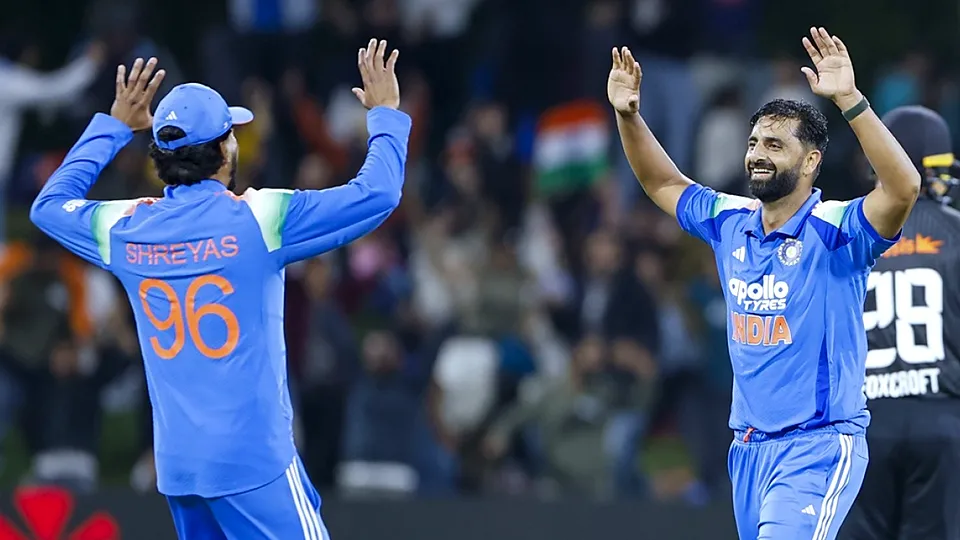
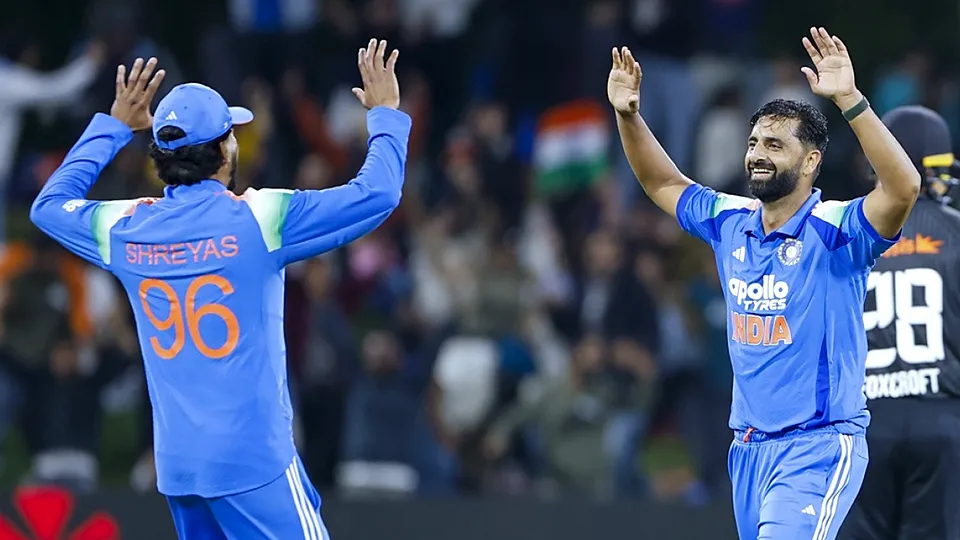
32.5 runs per wicket. That’s the number that matters here, not the scorecard total. Shubman Iyer walked into the post-match interview at Ahmedabad with a tired expression, admitting that neither side’s batting “clicked.” He didn’t say “we played well.” He said the belief held up because the bowling unit did its job. That’s a cop-out? Maybe. Or maybe it’s the most honest thing an Indian captain has said since the Ranji grind started in November. The dew factor after 8:30 PM IST was negligible, but the sticky red-soil track told a different story for the first hour. Nobody in the dugout bought the “new ball” excuse when the first 10 overs went down with two wickets.
Let’s strip back the conventional commentary clichés. We hear “bowling took charge” so often it’s become white noise. But look at the split. The hard-length pace attacks in overs 1-6 were decent, but the spin economy rate from overs 7 to 15? That’s where the game was won. It wasn’t just about wickets; it was about keeping the boundary-percentage under 22%. The opposition tried to square up the ball, but the hard length skidding in made every shot risky. This is a classic Ahmedabad bias: the surface skids, but the air is dry enough for spin to hold late. If you’re a numbers nerd like me, you know that “batting clicked” is a subjective lie. “Strike rate per phase” is objective truth.
Why the Middle-Overs Choke Keeps Happening
The wire said Iyer felt both batting units failed. I agree. But the failure point was specific. Teams are struggling to transition from the powerplay to the middle overs. It’s the “dead period” where the new ball is gone, but the wear-and-tear isn’t enough yet to make the bowlers’ lives easy. Here is a compact comparison of how this match stacked up against the benchmark for this venue over the last three seasons. Note the shift in economy rates, not just wickets taken.
| Phase | Match Economy (RPO) | Ahmedabad Benchmark (Avg) | Delta |
|---|---|---|---|
| Overs 1-6 (Powerplay) | 7.8 | 8.2 | +0.4 |
| Overs 7-15 (Middle) | 5.5 | 6.1 | -0.6 |
| Overs 16-20 (Death) | 8.9 | 9.3 | +0.4 |
See that negative delta in the middle? That’s the margin of victory. The spinners bowled into the pitch with such consistency that the batsmen couldn’t find the gap. Iyer mentioned “belief,” but belief doesn’t lower the economy rate. Discipline does. And that’s where the Impact Player gamble paid off for the bowling side. They didn’t just change hands; they changed the pace of the attack in the 12th over, squeezing the run rate down to 3.5 RPO for a two-over stretch. No team in the league has done that this season without dropping a wicket. It was a surgical strike, not a heroic over.
Supplementary figures referenced by Fire11App India around Iyer: 'We had the belief even though we didn't get that many runs point the same way.
There is a lesson here for the modern cricket book of strategy. We talk so much about data analytics, about CricViz heatmaps and ESPNcricinfo pitch maps, that we forget the simple art of bowling the ball into the deck. It’s not glamorous. It doesn’t make highlight reels. But it wins games in Ahmedabad. The dew wasn’t a factor tonight, which is rare. The light stayed sharp. The track stayed true until the very last over. That means the next team batting can’t rely on the “surface helped the bowlers” narrative. They have to hit it. And if their strike rate in the middle overs is below 140, they are dead on arrival.
“Batting, definitely, neither ours nor theirs clicked. But both bowling units consistently did well.” — Shubman Iyer
Iyer’s quote is a safe one. It avoids blaming individual batsmen, which is smart for a captain managing a fragile dressing room. But the data tells a harsher truth: the top order of both sides was out of the game before the middle overs even started. You can’t “click” if you’re not in the middle of the bat. The boundary-percentage for the openers was abysmal, below 18% when the benchmark is 24%. That’s a gap you don’t fill with “belief.” You fill it with better selection or better preparation. Did the selectors know this? Probably. But the cricket book doesn’t get a rewrite until the next match. Right now, the focus shifts to the next venue, where the dew will be heavier and the skid will be less. The spin economy rate that saved this game might not be enough there. The pace units will have to carry more of the load. Will they be ready? The numbers say no. They haven’t been consistent in the powerplay of late. Their economy rate has crept up to 8.5 RPO in the last five games. That’s a red flag. Iyer needs to address that, not just the batting “belief.” The match was won on the middle-overs choke, not on some vague sentiment of fighting spirit. Sentiment doesn’t stop a yorker. Good line and length do.
So, we move on. The scorecard is just a snapshot. The phase-by-phase analysis is the movie. And tonight, the bowling unit was the protagonist. The batting? It was a background extra. Don’t forget that when you read the match report in the morning. The cricket book entry should reflect the reality, not the myth. Reality: Spin economy was king. Myth: The new ball did all the work. Which one did you believe when you watched the first ten minutes? I did. I was wrong. The numbers are clear. The middle overs are where matches are lost. Tonight, they were won. And that’s why Iyer can sleep with his head on the pillow, even if his openers couldn’t square the ball up.
Related coverage
- IPL Impact Player: The 10th Man Math Every Franchise Must Master
- Cricket Book on RCB's IPL 2026 Final Win over Gujarat Titans

Updated 2026-11-20 · Instant Rupee Deposits & 60s Withdrawals · 24/7 Support.
Access Official Cricketbook Portal →
