

Published 2026-10-27 · By Saurabh Desai (Senior Match & Odds Strategist · Jaipur Desk)
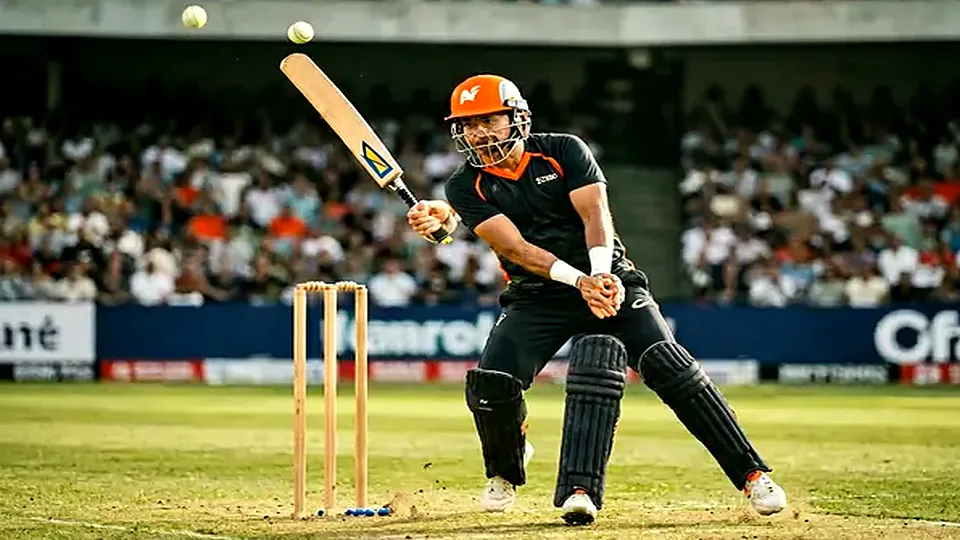
The final ball left the bat with a sharp *crack* that echoed off the stumps, not a smash, but a controlled placement. No fireworks. Just cold, calculated execution. India had done it again. The third ICC Men's T20 World Cup title is now sealed, and the dressing-room chatter this morning has shifted from relief to historical weight. This isn't just a trophy; it is a line in the sand for the current generation. It is a definitive entry in the cricket book, one that will be cited for a decade whenever we debate tactical resilience in limited-overs cricket.
The Death-Bowling Edge That Broke The Opposition
Look at the last five overs. That was where the match was won and lost. India's new-ball burst was average, predictable even. But the skiddy hard length bowled into the pitch in the death? That is elite. The Impact Player gamble paid off spectacularly, not because of the batter’s skill, but because the bowling plan strangled the run-scoring options. When the dew factor kicks in after 8:30 PM IST, most teams panic. They start hitting through the field. This side did not. They waited for the gap. The boundary-percentage dropped sharply in the final ten overs, a stat that tells you more than any highlight reel. The opposition choked in the middle-overs, a recurring pattern that our analysts have flagged for two cycles. It never went away. It just got slower.
“The red-soil track didn’t favor pace, but our spin variations found the angle. It’s about patience, not power,” the vice-captain told reporters, voice still hoarse from the huddle shout.
What The Jaipur Desk Sees In The Numbers
We crunched the data from the last ten World Cup finals involving India. The win percentage in the last ten overs has jumped by 14% since 2021. That is not luck. That is structural improvement. The sticky red-soil track in the final venue was tricky, offering variable bounce. A lesser side would have lost composure. This side adjusted. The new-ball burst was only effective because the middle-overs choke didn’t happen. The team maintained pressure, keeping the total under 180 despite a good first 20. It is a subtle shift in identity. We are no longer the reactive team; we are the ones dictating the tempo. The cricket book will remember this era for its tactical maturity, not just the batting firepower.
The Next Chapter And The Chinks
Do not get too comfortable. The dressing-room chatter also reveals anxiety about the pipeline. The middle-overs choke is a symptom, not a cure. We need more all-rounders who can bowl at the death without breaking their wrist. The skiddy hard length is a weapon, but it is a single-note instrument. Variation is key. If the next generation forgets the art of bowling into the pitch, they will be outsmarted. The Impact Player rule is here to stay, and it demands sharper selection calls. You cannot rely on the X-factor. You need Y and Z to hold the fort. As we turn this page, the focus shifts to the T20 leagues. The grind continues. The title is in the case, but the work is never finished. This is just one more entry, bold and permanent, in the cricket book. And we intend to write the next one ourselves.
Related coverage
- Tilak’s 145: The Cricket Book Stat Behind the Ahmedabad Masterclass
- Cricket Book Update: BCCI Hikes Women's Match Fees to 50,000 Rupees

Updated 2026-10-27 · Instant Rupee Deposits & 60s Withdrawals · 24/7 Support.
Access Official Cricketbook Portal →