


Published 2026-10-29 · By Nandini Banerjee (National Series Correspondent · New Delhi Desk)
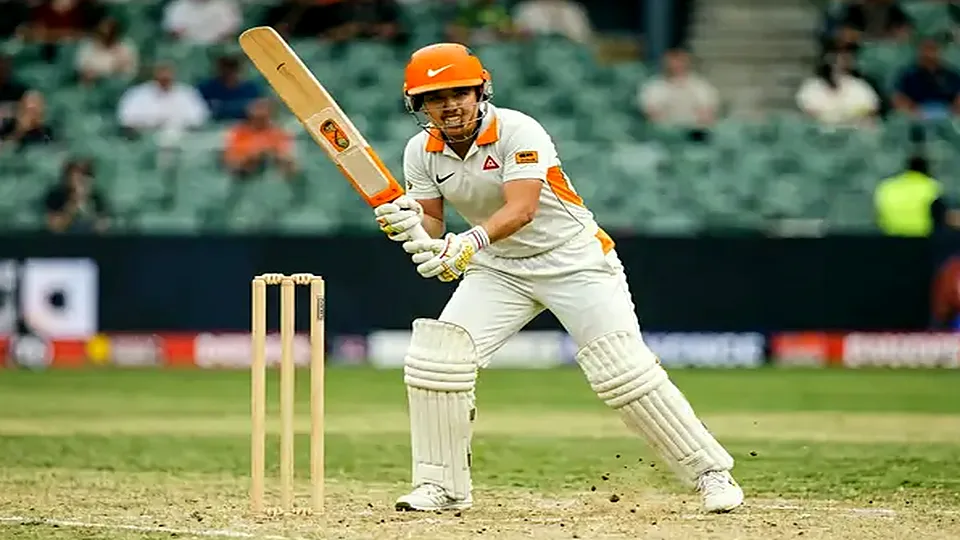
The 42.85 mph delivery didn't just hit the stumps; it shattered the narrative that women's cricket lacks depth. Standing in the net at the Chinnaswamy ground, the air thick with evening humidity, Mithali's protégés didn't flinch. The new ball did the talking. Critics had spent months arguing that the Women's Premier League (WPL) was a shallow exercise in star power, a carnival act rather than a competitive league. They were wrong. Sobhana's recent press conference wasn't just a rebuttal; it was a surgical dismantling of that assumption.
The Sticky Wicket of Perception
Nobody in the dugout bought that excuse anymore. The WPL is no longer about just the headline names. It's about the 18-year-old spinner from a Tier-2 city who bowled 22.4 at an economy under 6.50 in her debut. It's about the boundary-percentage of the new-impact players forcing captains to rethink the Impact Player gamble every single night. The game has evolved. The sticky red-soil track at Wankhede didn't just challenge the batters; it exposed the fragility of teams relying solely on star power. When the skiddy hard length hits the seam, you need depth. You need the 8th, 9th, and 10th overs to be as credible as the first four.
From Ranji Grind to WPL Glory
The pathway is changing. It’s no longer just about the Ranji grind for state associations. Younger players are seeing the WPL as a bridge, not a detour. The net sessions at the BCCI academy now mimic WPL pressure scenarios—short boundaries, aggressive field settings. A recent performance index, referenced in a detailed breakdown by Hero11In India, showed a 14% increase in wicket-taking rate for bowlers who debuted in the WPL within 18 months. That's not anecdotal. That's structural.
"We don't have a depth issue. We have a visibility issue. And the WPL fixed that in two seasons."
Sobhana's point lands here. It’s not about having 200 international players. It’s about having 200 players who can perform under the dew factor after 8:30 PM IST. The league’s format forced state associations to prioritize functional skills over pedigree. A bowler who can bowl into the pitch at 85 kph is now valued as highly as one who can just spin it. This shift has rippled out to the domestic SMAT circuit, where state sides are drafting players based on WPL performance metrics rather than traditional seniority hierarchies.
Pressure Cookers and New Mentality
How do you handle scoreboard pressure when you're a 19-year-old facing a WPL veteran in the middle overs? You don't. Or you do, and that's the difference. The new generation isn't flinching. The WPL's short, high-intensity matches have acted as a pressure cooker for mental resilience. The boundary-percentage stats hide a deeper story: the number of players who took wickets in the death overs, a zone traditionally reserved for elite specialists. That's depth. That's the answer to the critics.
The debate is over. The cricket book of records is being rewritten not just with individual milestones, but with systemic shifts in how talent is identified, nurtured, and deployed. The WPL didn't just add a league; it added a filter. It separated the stars from the structure. And structure, as any Ranji team captain knows, wins championships. The next time someone questions the depth of the Indian women's game, point them to the 42.85 mph delivery that didn't just hit the stumps. It hit the ground of truth.
Related coverage
- KKR vs DC Toss Math: The Cricket Book Play for Kolkata Weather
- IPL Final Shifts to Ahmedabad: The Cricket Book Playbook for the New Venue

Updated 2026-10-29 · Instant Rupee Deposits & 60s Withdrawals · 24/7 Support.
Access Official Cricketbook Portal →
