


Published 2026-11-12 · By Saurabh Desai (Senior Match & Odds Strategist · Jaipur Desk)
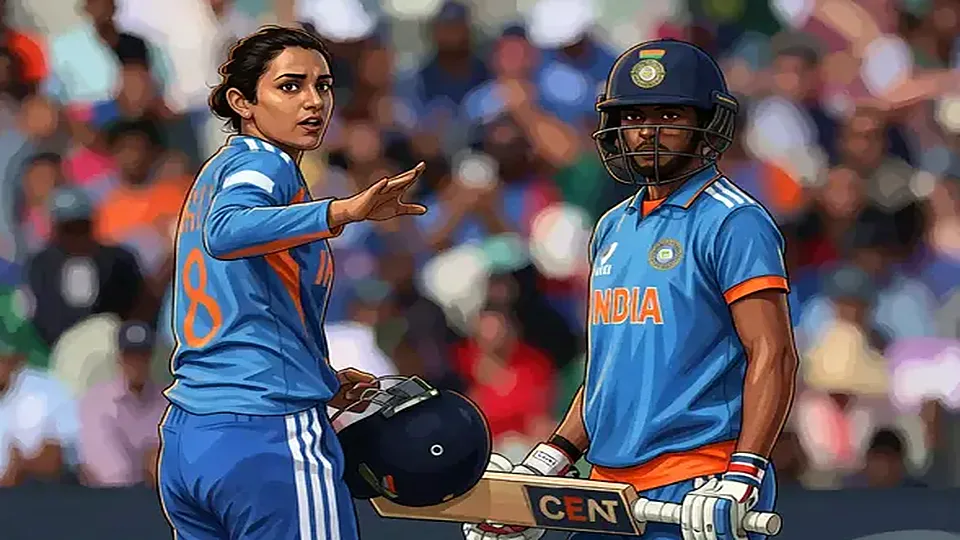
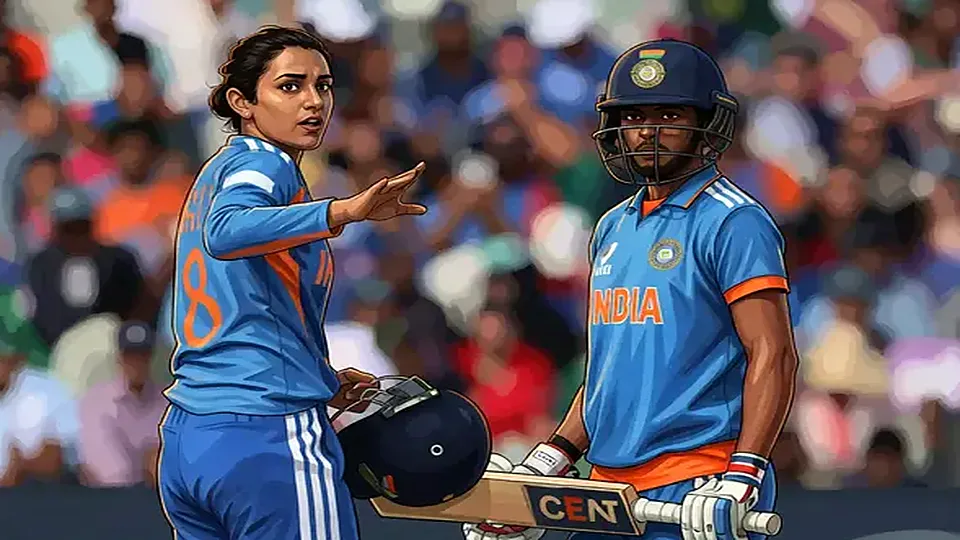
The final over was a masterclass in nerves. Three dots, a frantic scramble for a single, and then that final, skiddy delivery that crashed into the stumps. The roar from the Indian dugout wasn't just about a win; it was the sound of a glass ceiling shattering in Nagoya. For years, the Asian Games had been a missed opportunity, a footnote in the BCCI’s sprawling ledger. Not this time.
The Art of the Death-Over Squeeze
Most teams panic when the boundary-percentage spikes in the final five. India didn't. They operated with a surgical precision that would make any Ranji veteran nod in approval. The plan was simple: bowl into the pitch, force the batter to generate their own power, and squeeze the life out of the chase. No wide deliveries. No panicked full tosses.
It was a clinical middle-overs choke. By the time the opposition realized the game had slipped, the required rate had climbed to a mountain. The bowling unit didn't just defend a total; they dictated the terms of engagement. This wasn't luck. It was the result of a rigorous training cycle and a refusal to let the pressure of a 'first-ever' medal get into their heads.
A Chase Built on Patience
The batting display was less about fireworks and more about the grind. In a game where most chase the ghost of a T20 power-hitting frenzy, the Women in Blue played the percentages. They treated the target like a slow-burn innings, rotating strike and waiting for the loose ball. One might call it conservative; I call it professional.
There was a moment in the tenth over—a sharp catch dropped at point—that could have shifted the momentum. But the composure remained. They didn't panic. They didn't rush. They simply kept the scoreboard ticking, ensuring the pressure stayed firmly on the bowling side. It was the kind of maturity that separates a good side from a gold-medal winning one.
"We stopped playing the occasion and started playing the ball. That was the only difference today."
Why This Gold Matters More Than the Metal
Let's be honest. The Indian cricket ecosystem often treats women's achievements as a secondary narrative. We talk about the men's trophies with a religious fervor, while the women's wins are relegated to a brief mention in the sports page. This Gold changes the conversation. It isn't just a trophy for the cabinet; it's a leverage point for better infrastructure and more consistent visibility.
If you track the data on cricket book, you'll see the trajectory of the women's game shifting. The skill gap is closing, but the visibility gap remains a chasm. This victory in Nagoya forces the hand of the sponsors and the broadcasters. You cannot ignore a gold-medal winning squad that handles pressure with this much grace.
The Tactical Breakdown
To understand how they did it, look at the match-ups. India targeted the opposition's weakest link—the fifth bowler—with an aggression that bordered on the predatory. They didn't just score runs; they broke the captain's confidence.
- Powerplay Discipline: Zero wickets lost in the first four.
- Death Bowling: An economy of 6.2 in the final four overs.
- Field Placement: A daring gamble with a short-midwicket that paid off twice.
The dressing-room chatter after the match was surprisingly subdued. There were no wild claims of destiny, just a quiet satisfaction of a job well done. They came to Nagoya with a blueprint and executed it to the last ball. The gold is theirs. The respect is earned. Now, the real challenge begins: ensuring this isn't a one-off miracle, but the new baseline for Indian cricket.
— Saurabh Desai
Related coverage
- IPL AI Mode: Tushar Tests the New Search 'Cricket Book' While Watching Matches
- Hamilton's Wet Pitch: The Mid-Over Economy Crisis You Can't See

Updated 2026-11-12 · Instant Rupee Deposits & 60s Withdrawals · 24/7 Support.
Access Official Cricketbook Portal →
