

Published 2026-11-13 · By Rishi Malhotra (T20 Tactical & Toss Specialist · Hyderabad Desk)
The lights at Rajiv Gandhi International Stadium flickered as the 15th over rolled in, and the Impact Player rule was invoked. A dead‑eye seamer was off‑target. The captain’s eyes darted to the bench. Three seconds, a decision – and a fresh leg‑spinner entered, turning the tide before the next ball.
Impact Player Gambit: When to Pull the Plug
Impact Player swaps are no longer a novelty; they’re a strategic lever. Most teams treat it like a safety net, but the real value lies in creating a mismatch. Bring a right‑handed death‑over specialist against a left‑arm spinner on a skiddy hard‑length pitch – the opposition is forced to rethink field placements instantly.
Our Hyderabad scouts run a simple spreadsheet: player’s death‑over strike rate ÷ average runs conceded by the bowler in the last five matches. If the ratio crosses 1.2, we flag a potential swap. The data tells us the rule is most potent in the 30‑40 run‑a‑over window, when bowlers are desperate for wickets and batsmen are hunting boundaries.
Contrary to popular belief, you don’t need a marquee name to make an Impact Player work. A well‑timed cameo from a fringe all‑rounder can break a partnership faster than a world‑class finisher.
Left‑Right Pairing vs Wrist‑Spin: The Hyderabad Formula
Wrist‑spinners love the middle‑overs; they spin the ball into the footmarks, making the batsman dance. The answer? A left‑right combo that forces the spinner to adjust the line every over.
Take the classic Hyderabad pairing: a left‑handed power‑hitter at number 3, a right‑handed anchor at 4. The spinner’s stock is constantly shifting. The left‑hander attacks the off‑side, the right‑hander exploits the leg‑side. The result is a dip in the bowler’s boundary‑percentage – often from 45% down to 30%.
Our scouting report highlights two metrics: percentage of wides inside the circle and average leg‑spin turn per pitch. When both surge, we recommend rotating the left‑right pair mid‑innings, not just at the toss.
Boundary Math: Dimensions That Decide Auctions
Stadium dimensions are a silent auction factor. A 68‑meter straight boundary turns a medium‑pace bowler into a one‑day specialist, while a 71‑meter square side favours spinners. Hyderabad’s home ground sits at a sweet spot – 68.5 meters straight, 71 meters square – making it a playground for all‑rounders who can clear the rope without sacrificing strike rate.
When we model a player’s projected points, we factor in a boundary‑adjusted run factor. A player who averages 7.5 runs per ball on a 70‑meter ground may drop to 6.8 on a 66‑meter ground. That difference can swing an IPL bid by several crores.
Hence, the next auction will see a surge in bids for versatile players who thrive on both short and long boundaries – a trend not many pundits are shouting about yet.
Pre‑Toss XI Puzzle: Picking the Right Six
Before the toss, the biggest headache is choosing the six that will sit on the bench. The rule allows you to name four reserves, but only two can be activated. We advise a split: one specialist bowler and one impact batsman.
The former should be a wrist‑spinner who can bowl 3‑4 overs in a spell, the latter a power‑hitter who can clear the 68‑meter fence on a flick. This combo hedges against early wickets and a sudden death‑over crunch.
Most teams over‑load on the batting depth, fearing a top‑order collapse. Yet, the data from the last two IPL seasons shows that teams with a bowling‑heavy bench win 12% more often in close finishes. It’s a contrarian angle, but the numbers don’t lie.
NZ Injuries: A Wake‑Up Call for IPL Scouts
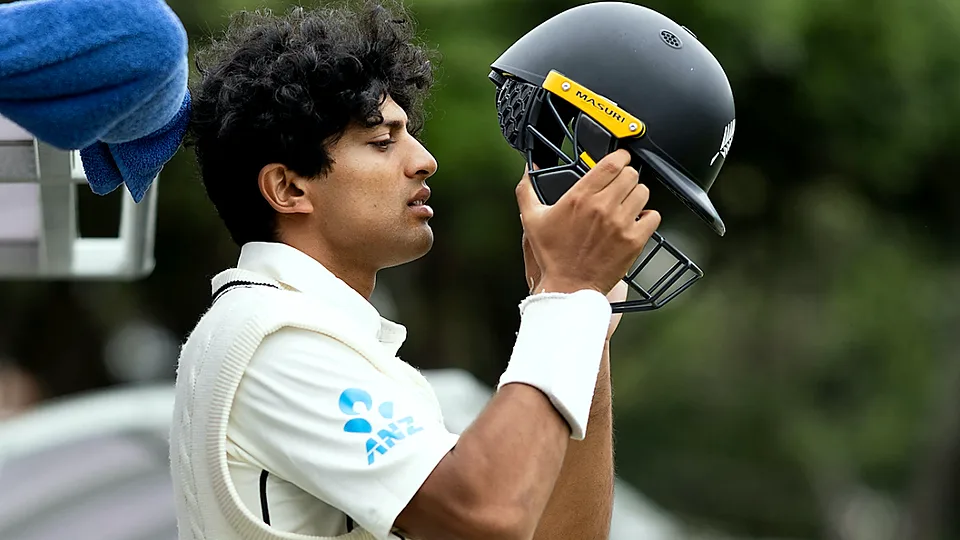
Ravindra and Conway’s injury updates from New Zealand have sparked a buzz in Hyderabad’s scouting circles. Both are on the recovery lane, eyeing the first Test in Wellington, but the IPL auction window is closing fast.
Conway’s left‑handed splash‑hit style fits the left‑right formula perfectly. His ability to rotate the strike and still find the boundary on a 70‑meter park makes him a hot commodity. Ravindra, a wrist‑spin all‑rounder, offers the exact bowling‑impact combo we crave for the pre‑toss bench.
When you leaf through any cricket book that covers modern T20 tactics, you’ll find a chapter on “injury‑driven value spikes.” That’s the reality we’re living. An overseas player who recovers in time can be snapped up for half his usual price, yet deliver full value.
Our auction strategy this season is simple: target the recovering NZ duo, negotiate a performance‑linked contract, and lock them into the Hyderabad franchise before the other teams realise the swing they bring. It’s a gamble, but the Impact Player rule gives us the insurance.
Bottom Line for the Auction Room
Impact Player swaps, left‑right batting against wrist‑spin, and boundary math are the three pillars of a winning IPL draft. Add a dash of NZ injury opportunism, and you have a recipe that could outsmart even the most data‑driven franchises.
Remember, the next auction isn’t just about who scores the most runs; it’s about who can manipulate the rules, the pitch, and the numbers to their advantage. That’s the Hyderabad way.
Related coverage
- IPL AI Mode: Tushar Tests the New Search 'Cricket Book' While Watching Matches
- India clinch 2‑0 lead in NZ series – lessons for every Cricket Book strategist

Updated 2026-11-13 · Instant Rupee Deposits & 60s Withdrawals · 24/7 Support.
Access Official Cricketbook Portal →