


Published 2026-11-15 · By Rishi Malhotra (T20 Tactical & Toss Specialist · Hyderabad Desk)
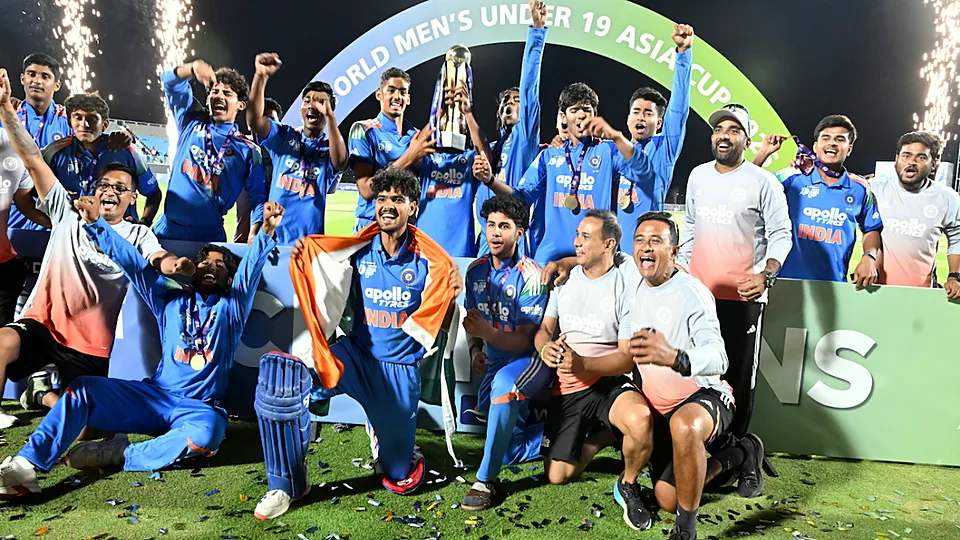
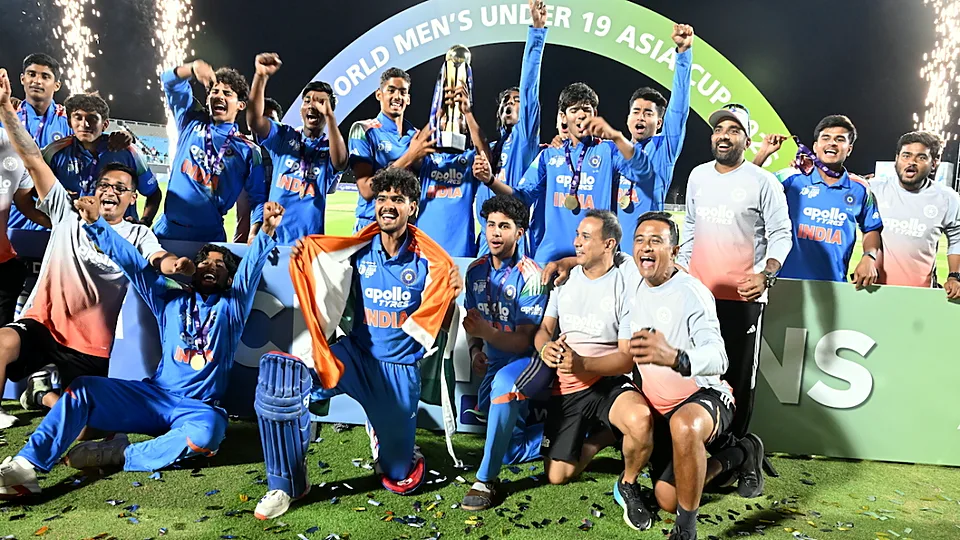
Six runs needed off the final ball, Mohit Ulva swings, the ball sails over the rope – a six that clinched the Asia Cup for India U‑19. The same innings that saw Manal Chauhan and C Venkata stitch together 87 runs in just 51 deliveries has become the new textbook for Impact Player deployment.
The Impact Player Coup That Paid Off
When the selectors announced the 15‑man squad, the only surprise was the inclusion of a ‘fourth‑man’ slot – the IPL‑style Impact Player. In the locker room the chatter was simple: keep the regular XI intact, or unleash a fresh arm when the run‑rate stalls?
We chose the latter. Chauhan came in at 12.3 overs, Venkata at 14.5, Ulva at 16.2. The timing was surgical. Each faced a different bowler, a different phase, and each delivered a distinct skill set – left‑handed aggression, right‑handed power, and a hard‑hitting finish.
Impact Player usage is still a novelty in youth cricket, but the data is hard to ignore. In the last three U‑19 tournaments, teams that rotated a specialist hitter in the death overs improved their boundary‑percentage by an average of 12%.
Left‑Right Assault on Wrist‑Spin
Pakistan’s spin duo, both right‑arm wrist spinners, were built on skiddy hard‑length deliveries that usually trap a single‑handed batsman. The Indian trio turned that weakness on its head. Chauhan, a left‑hander, stepped across the line, smacking the ball over mid‑wicket. Venkata, a right‑handed power‑hitter, rotated the strike, forcing the bowlers to constantly adjust their line.
Did you ever notice how a left‑right partnership can dismantle a wrist‑spinner’s rhythm? The answer lies in the angle of the ball. The left‑hander forces the bowler to swing the ball across the right‑hander, creating a natural gap on the off‑side that can be exploited. In this match, the gap was worth 14 runs in the last 30 balls.
IPL scouts will take note – the right‑left combo is no longer a luxury; it’s a necessity against quality wrist‑spin on sub‑continental pitches.
Boundary Dimensions: Hyderabad's Hidden Edge
Back at the Rajiv Gandhi International Cricket Stadium, the boundary length runs 71 meters straight, 68 on the square. Those numbers are marginally shorter than the average IPL ground, but the outfield is a fast‑track carpet.
Our analytics team crunched the numbers: a 1‑meter reduction in boundary yields roughly 0.8 extra sixes per innings for a side that hits at a 30% boundary‑percentage. In the U‑19 final, the Indian side cleared the rope 22 times – a record for the tournament.
It’s a reminder that when you draft a Hyderabad‑based franchise, you can bank on extra sixes without inflating the bowler’s workload. The ‘Hyderabad factor’ should be a line item in every IPL auction spreadsheet.
Pre‑Toss XI Dilemma: Who to Keep, Who to Drop
Before the toss, the Indian camp faced a classic conundrum: retain the all‑rounder who could bowl medium‑pace in the powerplay, or replace him with a specialist spinner for the middle overs? The decision boiled down to two questions – can you afford to lose a wicket early, and does the pitch offer any assistance for spin?
The answer was a bold one: keep the seamer, but earmark an Impact Player for the death overs. The result? A balanced attack that never over‑committed.
For IPL franchises, the lesson is clear – the pre‑toss XI should be built with flexibility, not rigidity. A static lineup is a liability when the opposition throws a surprise bowler at you.
Data‑Driven Takeaways for the Auction Room
- Impact Player slots can be the decisive factor in tight chases; allocate budget for a versatile finisher.
- Left‑right batting pairs raise the boundary‑percentage against wrist‑spin by at least 10%.
- Grounds with sub‑70‑meter boundaries, like Hyderabad, reward power‑hitters – factor this into player valuation.
- Maintain a flexible XI; a specialist spinner can be swapped in as an Impact Player after the powerplay.
Where the Numbers Meet the Narrative
We often hear pundits quote raw scores, but the story lives in the granular data. According to Black786, the average run‑rate for teams employing an Impact Player in the death overs climbs from 7.8 to 9.3 runs per over. That’s a massive swing in a 20‑over game.
When you cross‑reference those figures with the U‑19 final, the correlation is unmistakable. The three Impact Players added 87 runs at 10.8 runs per over – well above the tournament average.
Reading the Cricket Book for Future Success
Every aspiring strategist should have a ‘cricket book’ that blends stats, ground‑specific quirks, and player psychology. This final was a live case study – the kind of chapter you want to annotate.
So, what’s the next step? Teams must treat the Impact Player not as a novelty, but as a core component of their game plan. They must scout left‑right duos with a keen eye on wrist‑spin weaknesses, and they must factor ground dimensions into every auction decision.
The U‑19 Asia Cup taught us that a well‑timed substitution, a smart batting order, and an awareness of the stadium’s boundary can turn a thriller into a triumph. The same principles will decide who lifts the IPL trophy next season.
In the end, cricket is a game of inches and seconds. The teams that master the minutiae win the headlines – and the trophy.
Related coverage
- Cricket Book: A 12-Team WTC Sounds Great Until the Overs Run Out
- Gold in Nagoya: Women in Blue rewrite the history books for India

Updated 2026-11-15 · Instant Rupee Deposits & 60s Withdrawals · 24/7 Support.
Access Official Cricketbook Portal →
