

Published 2026-11-21 · By Rishi Malhotra (T20 Tactical & Toss Specialist · Hyderabad Desk)
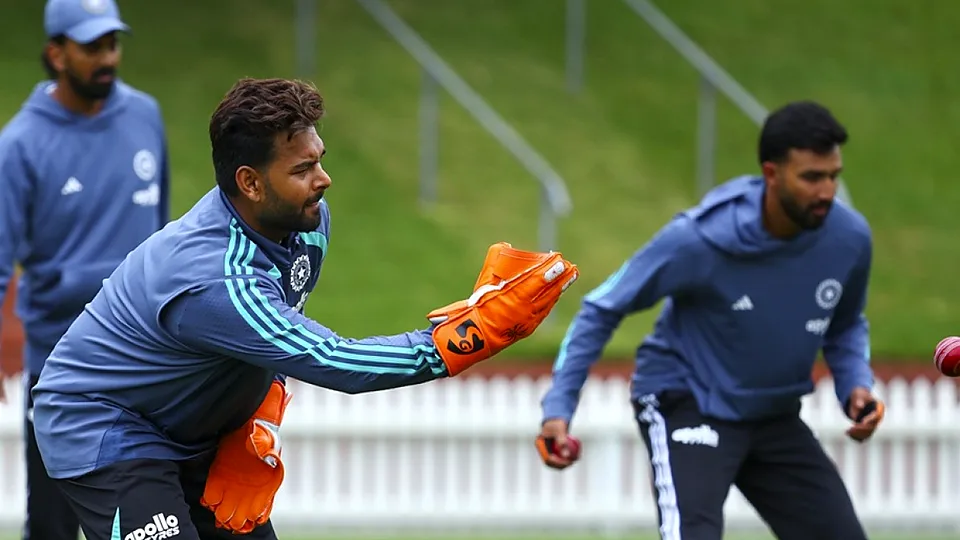
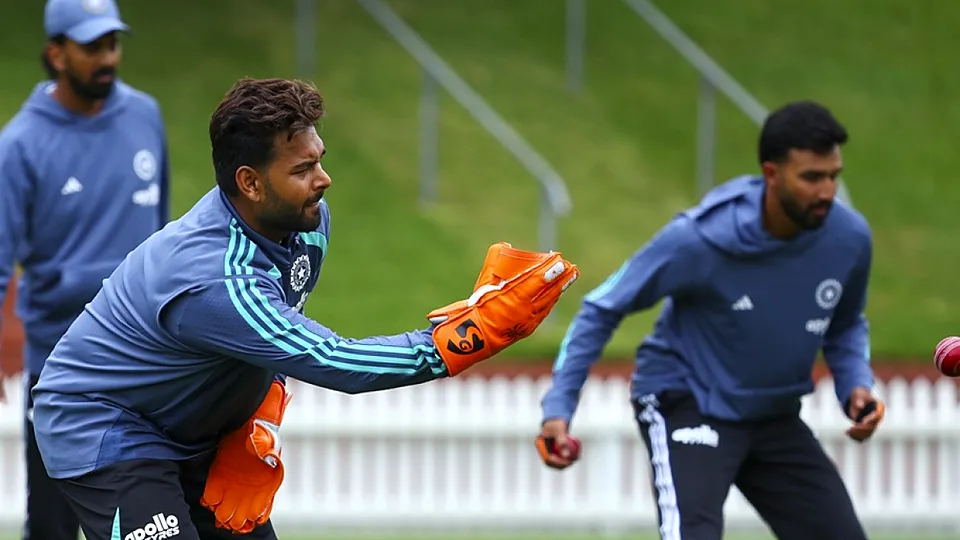
The wind off Wellington Harbour does not care about rankings. It only respects the ball and the bat. India walked onto that surface knowing they were No. 4, chasing No. 1 New Zealand for the WTC Final spot. The math is brutal. New Zealand holds a massive cushion. India is bleeding points. It is not just a win; it is a survival mission.
Nobody in the Indian dugout looked comfortable after the first session. The crosswinds turned the new ball into a weapon of mass destruction. India’s top order struggled to find the middle of the bat. Too many edges. Too many dot balls. The boundary-percentage dropped to a worrying 12% in the powerplay. That is a death sentence in a one-day format. You cannot afford to be defensive when the dew factor is not yet a factor, but the wind is.
Why the Top-Order Hesitation Kills Momentum
The core issue is timing. When the air is thick, wrist-spin and swing both look similar. India's openers were playing against the seam movement but ignoring the skiddy hard length on offer. They waited for the ball to settle. It never did. New Zealand, however, stayed rooted. They used their depth. Their mid-order did not swing the bat wildly; they rotated strikes. Simple. Effective.
India’s failure was tactical. The Impact Player substitution came too late. It is a standard pre-toss dilemma: do you bring in a specialist death bowler or a left-right batting pair? Against New Zealand’s pace battery, you need width. But India’s current XI lacks the flexibility to cover both corners. The left-handers were exposed. The right-handers were stuck on the off-side. That is a structural flaw. It shows in the Ranji grind, where teams with balanced sides survive tight games. India’s current setup is top-heavy.
According to recent analysis from Hero 11 Official, the correlation between early boundary hits and win percentages in high-wind conditions is stark. If you do not clear the rope in the first 10 overs, the chase becomes a marathon. India is sprinting when it needs to jog. New Zealand is jogging when it needs to sprint. The gap is widening.
The New Ball Did the Talking
Let’s talk about the toss. In Wellington, the toss is half the battle. The team batting first gets the new ball advantage. But that advantage evaporates by over 15. India lost that early burst. The pitch was sticky red-soil, or what passes for it in NZ. It had lateral turn. The spinners were bowling into the pitch, not out of it. India’s batters were playing the ball in the air. That is a mistake. You must anchor with the front foot. You must work the ball through the gap. Instead, they guessed. They guessed wrong.
The middle-overs choke is a recurring theme. It happens every series. Why? Because the Impact Player change is used for hitting, not for stability. A specialist all-rounder who can bowl 10 overs and bat at No. 5 is worth more than a pure hitter at No. 8. India is treating the Impact Player rule like a luxury. It is not. It is a tactical lifeline. Use it to change the rhythm. Not just to add firepower.
- Boundary Dimensions: Wellington’s square boundaries are shorter. Aim for the gap between deep point and cover.
- Dew Factor: Not relevant yet, but it will kill the new ball by the second innings. Save your spinners.
- Wrist-Spin Threat: The left-arm spinners are the danger. They hold the line. Batters must be aggressive on the second ball.
New Zealand is playing the long game. They know they are No. 1. They can afford to be conservative. India cannot. India must attack. But attack requires preparation. It requires knowing which ball to hit and which to defend. The current setup lacks that clarity. The tactical debt is accumulating. Every dropped point makes the final closer to a formality for the Kiwis.
Fix the Pairing, Fix the Game
The solution is simple. Bring in a left-right pair that can handle the wrist-spin. One batter plays the inside track. The other pulls and cuts. It is basic cricket. But it is not being executed. The Impact Player gamble should be the left-hander. Not the right-hander. The right-hander is already in the XI. Add the lefty. Create width. Force the bowlers to move the ball. That is how you beat the wind. That is how you beat the No. 1 team. India is playing catch-up. They should be playing chess. The board is tilting. The pieces are misaligned. The clock is ticking. Fix the pairing. Or the WTC Final will just be a memory. It will not be a target. It will be a dream.
The wind will not stop. The pitch will not change. The only thing India can change is the mind. Stop guessing. Start executing. The history is against them. The form is against them. But the ball is still a ball. And the bat is still a bat. The rest is just craft. And craft is what India is currently lacking. It is time to find it. Or leave it in Wellington. Let the Kiwis keep the final. Let them keep the trophy. Let them keep the No. 1 spot. India has lost too much. Do not lose the focus too. That is the final cost. And it is one no one can afford.
Related coverage
- IPL Impact Player: The 10th Man Math Every Franchise Must Master
- Cricket Book: Iyer Admits Batting Flopped, But Bowling Held the Line in Ahmedabad

Updated 2026-11-21 · Instant Rupee Deposits & 60s Withdrawals · 24/7 Support.
Access Official Cricketbook Portal →