

Published 2026-11-22 · By Nandini Banerjee (National Series Correspondent · New Delhi Desk)
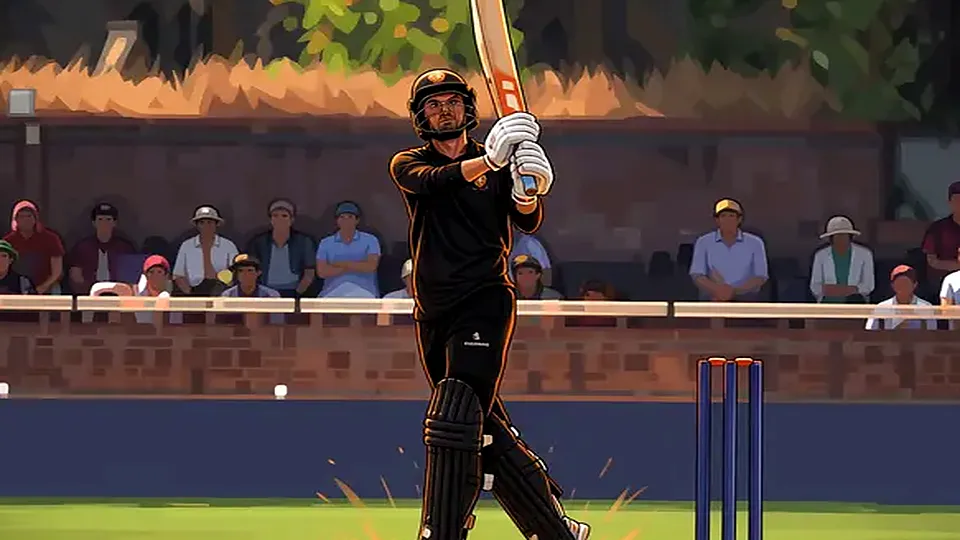
The ball was skiddy, skidding off the surface at half-past six, forcing the opening batsman to dig his back foot in and play with the pace of the game. That’s the thing about evening cricket in this league—humidity clings to the jersey, and the pitch tells a different story in the last ten overs than it did at the start of the session. For the upcoming India vs New Zealand T20 series in 2026, the schedule has been finalized, and the logistics are now the main event for the fan base. It is not just about watching; it is about understanding the mechanics of how these matches unfold under the pressure of international exposure.
The Schedule and Where the Action Unfolds
The fixtures have been slotted in, giving us a clear view of where the rubber meets the road. India will host the tri-series, with the key encounters taking place in cities where the dew factor after 8:30 PM IST can completely alter the bowling plan. New Zealand, known for their pace and consistency, will face a squad that has rotated through the Ranji grind, bringing raw domestic instincts into the international arena. The streaming rights are locked in, with most fans tuning in via digital platforms rather than traditional cable. You can check the specific match timings and streaming details on the Vision11In portal to ensure you catch every single ball of the series.
The question is, who does the Impact Player rule favor? That is the gambit that keeps selectors up at night. It is no longer just about picking the best XI; it is about picking the best XI plus one wildcard who can change the momentum in the final over. New Zealand tends to use this slot for extra depth in the middle order, whereas India’s strategy has been more situational, often bringing in a specialist spinner or a change-of-pace bowler to disrupt the rhythm of the chase. Nobody in the dugout wants to make that call early. It is a pressure point that separates the seasoned veterans from the young guns stepping out of the SMAT nets.
Reading the Surface and the Spin
Let’s talk about the ground conditions. The tracks chosen for this series are not the hard, flat batters’ paradise we see in some domestic venues. They are sticky, with a slight give that rewards bowling into the pitch. For the spinners, this is a blessing. The ball will turn under the finger, and the skiddy length becomes a weapon rather than a mistake. I recall watching a recent net session where a young leg-breaker was hitting the stumps consistently, not because of flight, but because the surface was gripping the toe end. That is the kind of detail that gets lost in high-level analysis but remains vital in the match report.
"We don't worry about the scoreboard until the fourth over. We just work on the boundaries and the control." - A domestic captain speaking after a recent knockout stage loss.
This mindset is what we expect to see from the Indian top order. The pressure to clear the boundary is immense, but the top performers know that a quick single is worth more than a risky loft that gets picked off at the boundary. The boundary-percentage metrics we see in the pre-match data are just numbers on a screen. The real test is how a player handles a skiddy ball on a good length when the crowd is silent and the game is on the line. That is where the cricket book gets filled with notes that no statistician can capture.
New Zealand will come in with a clear plan. Their pace attack is relentless, and the new ball will do the talking in the first six. They want to swing the ball away from the off side and get the short ball onto the middle and off stump. India’s response has to be precise. No soft hands. No lazy drives. The middle-order chokehold is the area of concern. If the top two get out early, the pressure on the fourth or fifth batter to accelerate is crushing. It is a high-stakes environment where a single dropped catch can swing the entire series.
Final Thoughts for the Fan
As you prepare to watch the series, keep an eye on the non-strikers. The rotation of the strike is the modern version of the long run. Who holds the ground? Who takes the quick single? These micro-decisions add up to the macro-strategy of the match. The telecast will be comprehensive, but the nuance is in the preparation. Check the streaming links, note the start times, and most importantly, watch the bowlers’ run-ups. The rhythm of the game is there, in the cadence of the steps, the release of the ball, the way they lean into the pitch. It is not just a contest of skill; it is a contest of consistency under the brightest lights. The cricket book is open, and the next chapter is written by the men on the field.
Related coverage
- New Zealand hold the WTC Final key; India's tactical debt grows
- India’s T20 Squad Picks Six Fresh Faces as BCCI Tests Olympic Muscle

Updated 2026-11-22 · Instant Rupee Deposits & 60s Withdrawals · 24/7 Support.
Access Official Cricketbook Portal →